
The world of virtual reality gaming is moving fast. It’s confusing, right? You might be wondering how to keep up with the latest developments.
I get it. That’s why I’m here.
This article dives into the VR gaming trends shaping the industry today. I’ll break down what’s happening and what it means for gamers and developers alike.
I’ve been tracking these trends for years. I know the ins and outs of gaming technology and how game development actually works. This isn’t just a fly-by-night look at what’s new.
You’ll walk away with a clear understanding of where VR gaming stands and where it’s headed.
What’s the significance of these trends? They’re not just buzzwords; they reflect real changes in how we play and interact with games.
I promise to give you actionable takeaways. You need to understand these shifts if you want to stay ahead.
So, let’s unpack the future of virtual reality gaming together.
You’ll see how it impacts not just the gaming space but also your gaming experience. Ready to explore? Let’s go.
The Latest in VR Hardware: Powering Immersion
VR hardware is finally getting the attention it deserves. Standalone headsets like the Meta Quest series and Pico are becoming more accessible and solid. They’re making VR gaming trends more mainstream.
Who wouldn’t want to dive into another world without tripping over wires?
You know, the stuff that makes you want to hurl after ten minutes of gameplay.
Display technology is seeing a revolution. Higher resolutions and wider fields of view are here to stay. These advancements reduce that annoying screen-door effect and even cut down on motion sickness.
Tracking tech is also stepping up. Inside-out tracking and hand tracking are getting more sophisticated. The real game-changer?
Eye-tracking for foveated rendering. It focuses processing power where you’re looking, making things more realistic.
Specific hardware innovations are enhancing the core VR experience. Comfort and realism are at the forefront. Sure, PC VR is still relevant, especially for pushing graphical fidelity and simulation depth, but standalone devices are catching up fast.
So, are you ready to embrace the new wave of VR? It’s time to jump in and see where this tech takes us. Immersion has never been more within reach.
Software & Content Revolution: New Ways to Play
Ever put on a VR headset and felt like you stepped into another dimension? It’s wild. I remember when VR was all clunky tech demos (the kind that made you question reality and your lunch).
Social VR platforms like VRChat and Rec Room are transforming how we connect. They’re not just games; they’re virtual hangouts where communities thrive. It’s like the party never ends.
Now, it’s evolved into full-fledged RPGs and competitive multiplayer arenas. It’s not just about the gear anymore. VR gaming trends are shifting towards immersive narratives that feel like stepping into a movie.
These spaces create shared experiences that feel as real as face-to-face interactions, minus the awkward small talk.
Game design in VR is pushing boundaries. Developers are crafting mechanics that use 3D space and natural interactions, making every move count. Spatial audio?
It’s a game-changer. You hear every whisper and distant footstep, adding layers of tension and excitement.
Pro tip: Pay attention to why open world games leading. It’s all about freedom and exploration, which VR is nailing. Developers are tackling locomotion and interface challenges head-on, aiming to make these worlds intuitive and comfortable.
VR’s Big Breakthrough: Conquering Accessibility & Comfort
Overcoming VR’s hurdles is a game-changer. I can’t count the number of times motion sickness has cut my VR sessions short. Developers are finally getting it right with features like teleportation and vignette options.
Improved tracking tech is making nausea almost a thing of the past.
And let’s not forget about headset ergonomics. They’re lighter, better balanced, and don’t feel like a medieval torture device anymore. These changes mean you can play longer without feeling like your neck’s on fire.
That’s huge.
The push for accessibility is also picking up steam. Adaptive controls and seated play options are making VR more inclusive. It’s about time we saw more features for gamers with varying physical abilities.
This shift is important for expanding VR’s audience.
Costs are dropping too. Once, VR was a rich man’s toy. With prices falling and subscription services like Meta Quest+ offering more for less, VR is opening up.
The virtual reality in gaming market is poised to grow, thanks to these changes.
These improvements aren’t just perks; they’re key for VR’s mainstream adoption. If VR wants to stay ahead in the VR gaming trends, these are the right moves.
Advanced Haptics: Feel the Game
Ever wondered if you could actually feel your game? We’re not just talking about those basic controller vibrations. I’m diving into advanced haptic feedback.
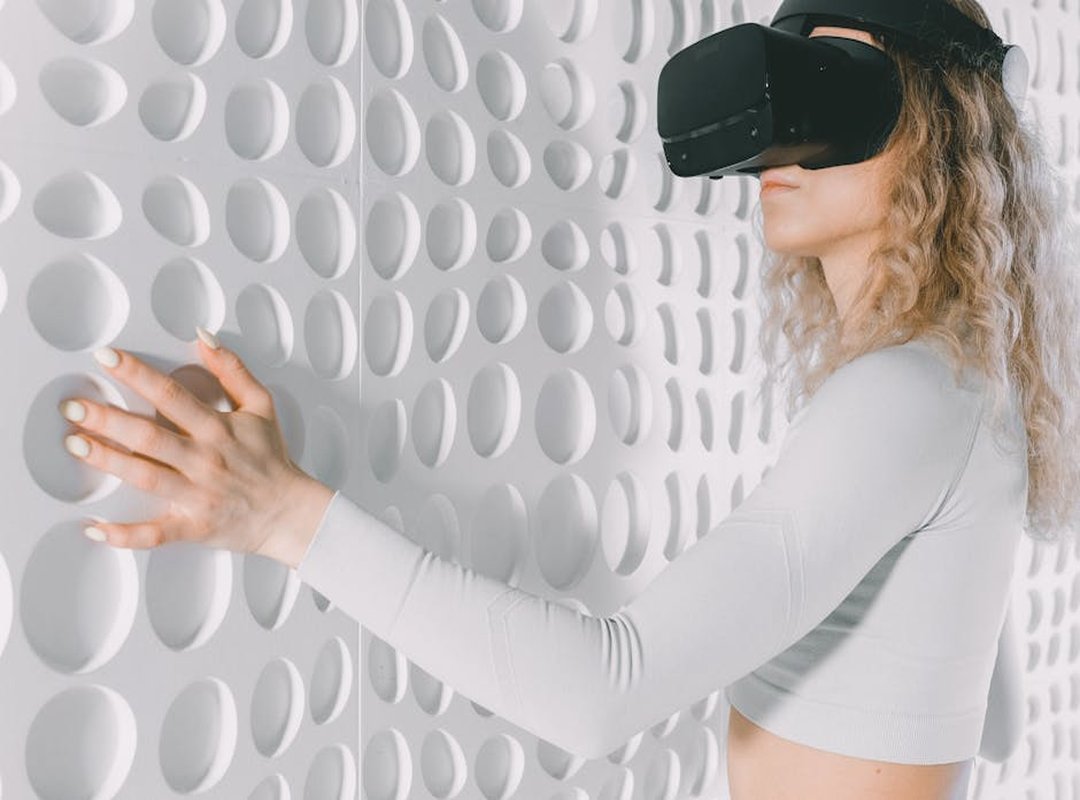
It’s not science fiction anymore. We’re talking haptic vests, gloves, even full-body suits. Imagine feeling a virtual breeze or the impact of a punch.
The realism is off the charts.
Then there’s full-body tracking. It’s changing how we move and express ourselves in VR. No more awkward stumbles.
Your avatar mirrors your every move naturally. It’s like being in two places at once.
And let’s not forget the experimental stuff, like brain-computer interfaces. These could let you control games with just your thoughts. Sounds wild, right?
It’s early days, but the potential is huge.
Currently, these technologies are transforming VR gaming trends. Games are becoming more immersive than ever before. You can explore Exploring 2024 Most Anticipated Games to see what’s on the horizon.
Pro tip: Keep an eye on this tech. It’s not just about playing games. It’s about living them.
VR Gaming’s Place in the Digital World
Virtual reality gaming is more than just a passing trend; it’s a game-changer. It’s weaving itself into the metaverse, creating persistent and interconnected virtual spaces. Ever thought about how VR could transform esports?
It’s already happening. Games like “Beat Saber” are making waves in competitive gaming. The potential for growth is massive.
Imagine tournaments where players are physically immersed in the game world. That’s not the future (it’s) now.
VR isn’t just stopping at gaming. It’s blending with augmented reality (AR) and mixed reality (MR), blurring the lines between what’s real and what’s digital. This isn’t just sci-fi anymore; it’s our reality.
And with these developments, new markets are opening up. We’re talking content, hardware, virtual goods. The whole shebang.
A booming economy right there in your headset.
Game development tools are catching up too. They’re evolving, making it easier for creators to build compelling VR experiences. Unity and Unreal Engine are leading the charge, offering developers the tools they need to innovate.
VR gaming trends are shaping the future of digital interaction. Are you ready to dive in?
Embracing the VR Experience
I hope this article helped you get through the wild world of VR gaming trends. With technology changing fast, it’s easy to feel lost. Understanding the hardware, software, and upcoming innovations is key for staying ahead.
This isn’t just about playing games; it’s about experiencing them like never before.
You’ve got to check out new VR titles and maybe even try a headset. Why wait? Dive into immersive worlds that push the boundaries of gaming.
Stay informed about the latest updates in this changing field. Your next adventure is just a click away. Explore, play, and keep up with the trends that shape the future of VR.
Don’t miss out. Your gaming experience deserves it.
 As the primary competitive analyst and strategist, Zaythe Kintarrow focuses on the nuances of high-stakes play and fighting game mechanics. Zaythe is dedicated to breaking down the latest trends in the esports scene, offering masterclasses on strategic positioning and frame-perfect execution. Through comprehensive guides and real-time trend reporting, Zaythe empowers players to refine their skills and adopt the advanced tactics necessary to dominate in a multiplayer environment.