
Gamers are craving experiences that break free from traditional screens. We want something that pulls us into our surroundings. But what does “enhanced reality gaming” even mean?
Many are confused about how it differs from well-known technologies like AR or VR.
I get it. There’s a lot of noise out there.
In this article, I will clarify what enhanced reality gaming really is and why it matters. I’ve analyzed the latest trends and tech, so you can trust that what you read here comes from deep takeaways into this evolving space.
Expect to explore the core concepts and technologies behind augmented reality gaming. I’ll also dive into the future of these experiences and how they redefine player immersion and interaction.
By the end, you’ll have a solid understanding of enhanced reality gaming and why it’s worth paying attention to. Let’s break it down together.
Enhanced Reality Gaming: Beyond the Screen
Enhanced reality gaming is a step above the typical VR or AR experience. What’s the deal with it? Well, it takes digital content and blends it with the physical world.
I mean really blends it, not just sticking a digital character awkwardly on your coffee table.
Unlike pure virtual reality, where you’re completely immersed in a digital space, enhanced reality keeps you anchored in your actual surroundings. Imagine a game that doesn’t just add virtual characters into your living room but actually interacts with your furniture. It’s not just slapping a new layer over the old.
It’s more like letting them communicate.
You don’t just see the digital elements; you feel them. This is where real-time interaction and sensory feedback come into play. You might even hear something whisper in your ear or feel a breeze from a digital storm.
That’s a game changer (pun intended).
The goal here is to enrich your existing reality with changing, digital layers. Want to see where this is headed? Check out Future Wearable Tech Gaming.
It’s where the concept of augmented reality gaming meets something truly immersive. Sounds wild, right? Welcome to the next level of gaming.
The Tech Behind ER Gaming: A Deep Dive
Augmented reality gaming is not just about flashy visuals; it’s about how games interact with our world. At the heart of this magic lies computer vision and object recognition. These aren’t just buzzwords.
They’re how games ‘see’ our world and blur the lines between digital and physical. Think of your phone camera as the game’s eye, interpreting everything from your coffee mug to your cat.
Next up, we have spatial mapping and tracking. Ever heard of SLAM? It’s the tech wizardry that helps games recognize and map your environment in real-time.
This, along with GPS and depth sensors, allows you to play a game where your living room becomes a forest. No more bumping into furniture (unless you’re clumsy like me).
Graphics engines? They’re the unsung heroes ensuring every digital dragon or alien meshes seamlessly into the real world. Without them, you’d just be staring at pixelated chaos.
It’s like having a director orchestrating a perfect movie scene right in front of your eyes.
Let’s not forget haptic feedback and wearables. Vibrations in your hands when you fire a virtual arrow or the feel of a virtual breeze using smart glasses. It’s pure immersion, making sure you don’t just see or hear the game but feel it too.
AI and machine learning add another layer, making games smarter. They adapt, learn, and respond to your actions. Your choices matter.
The game evolves based on your play style, offering an experience that’s uniquely yours.
Behind all this magic is raw computational power. Ever wonder why your phone gets hot? It’s these advanced processes running in the background, pushing your device to its limits.
But the payoff? A gaming experience that feels alive and constantly evolving.
Experiencing Reality Like Never Before: Game Examples
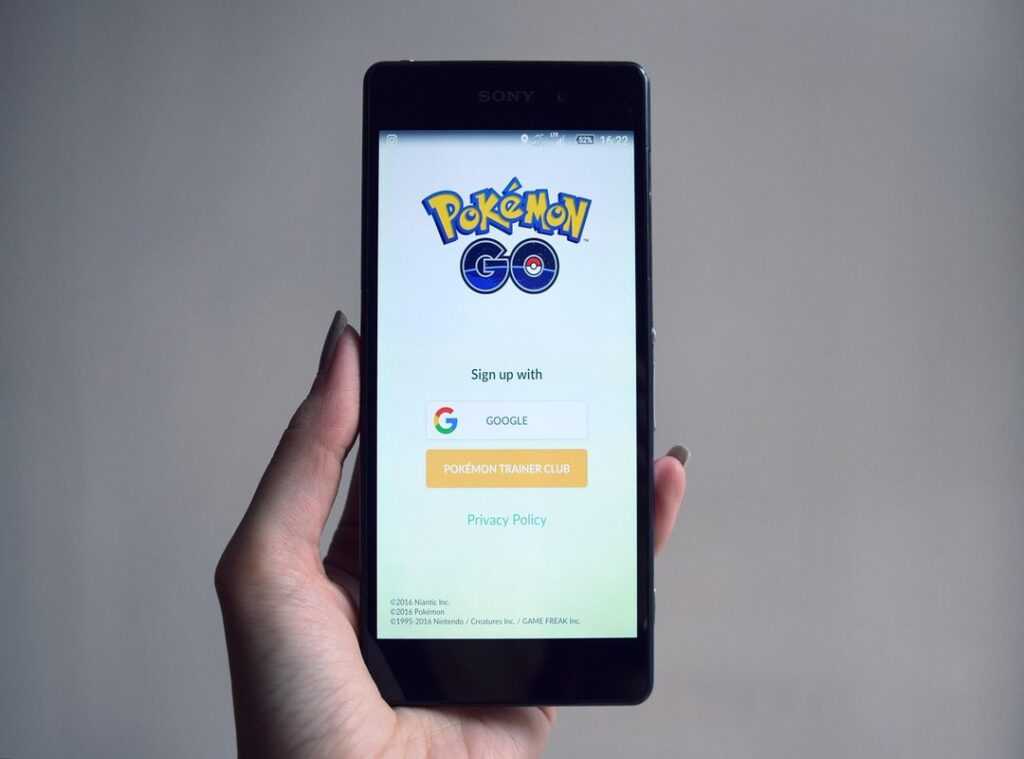
Let’s be real. When Pokémon GO hit the scene, it was a game-changer. It took augmented reality gaming to the masses.
Millions roamed the streets, hunting for virtual creatures in real-world locations. This was just the beginning.
I’m fascinated by how these games have evolved. Now, we’re seeing more complex concepts. Take games that use physical board game elements.
They transform these tangible pieces into digital wonders, adding an interactive layer that’s hard to ignore. Imagine a chess piece that comes to life on your screen, doing more than just moving squares.
Location-based games are another beast entirely. They blend digital storytelling with your surroundings. You’re suddenly part of a narrative that pulls in landmarks and geography.
It’s like living in your own adventure movie.
Let’s not forget those that blur the lines between physical and digital play. Using real-world objects as controllers or interactive elements? Wild.
You’re not just staring at a screen; you’re engaging with the world around you. Pro tip: Don’t be afraid to get a little creative with these. It’s all about integration.
And we’re only scratching the surface. Imagine educational games that turn classrooms into interactive scenarios. Or fitness games pushing you outdoors, making that jog feel less like a chore and more like an epic quest. Enhanced reality isn’t just a gimmick.
It’s the next step in deeply integrating our digital and physical worlds.
ER Gaming: Benefits & Challenges
Augmented reality gaming is not just a buzzword. It’s changing how we play. The benefits?
Immersion is one. You feel like you’re part of the game world, not just a spectator. Physical activity becomes a game mechanic (how cool is that?) and social interaction isn’t just an afterthought.
It’s core.
But what really sets augmented reality apart are the unique gameplay mechanics. Think about it. You interact with the real world.
This opens doors for creative design possibilities that traditional gaming can only dream of. And let’s not forget accessibility. Many ER games use smartphones, making it easier for everyone to jump in.
Yet, it’s not all smooth sailing. Battery life is a constant battle. Processing power can be a bottleneck.
And don’t get me started on network latency. The real world has its own challenges too. Lighting, cluttered spaces, even safety are real concerns.
Developers are tackling these issues head-on. They’re optimizing algorithms and advancing hardware. They’re also focusing on design principles that blend the digital and physical seamlessly.
Privacy concerns? Yes, they’re there. But developers are working to address them.
ER gaming is evolving fast. It’s exciting and complex. Are you ready to dive in?
The Future Horizon: Enhanced Reality in Gaming
Augmented reality gaming is set to explode with next-gen hardware. Imagine slipping on sleek AR glasses while haptic feedback systems immerse you in the game world. It’s not just about visuals; it’s about feeling every punch and gust of wind. 5G and edge computing will make real-time ER environments a reality, paving the way for more complex interactions.
Ever considered how AI fits in? It’s the brains behind hyper-personalized gameplay, adapting to your every move. And let’s not forget the potential of How Cloud Gaming Changing Accessibility.
Games will soon weave seamlessly with reality.
Embrace the Future of Gaming
I’ve demystified augmented reality gaming. You now understand what it is, how it works, and where it’s headed. The desire for immersive and interactive entertainment is real.
Enhanced reality gaming answers that call by merging our digital and physical worlds. This blend creates engagement like nothing else.
So, what’s next? Dive into the current ER gaming space. Stay updated on new advancements.
Think about how this technology will change your gaming experiences. Don’t wait. Now’s the time to explore this big field.
Get in on the action and redefine how you play.
 Zane Tzortinos founded BFNC Gaming as a premier destination for enthusiasts seeking a deeper understanding of the digital landscape. With a focus on the intersection of technical skill and industry innovation, Zane has curated a platform that explores everything from the intricate frame data of fighting game mechanics to the complex world of game development techniques. Under his leadership, the site serves as an essential resource for players looking to master competitive multiplayer strategies while staying ahead of the latest global gaming trends.