
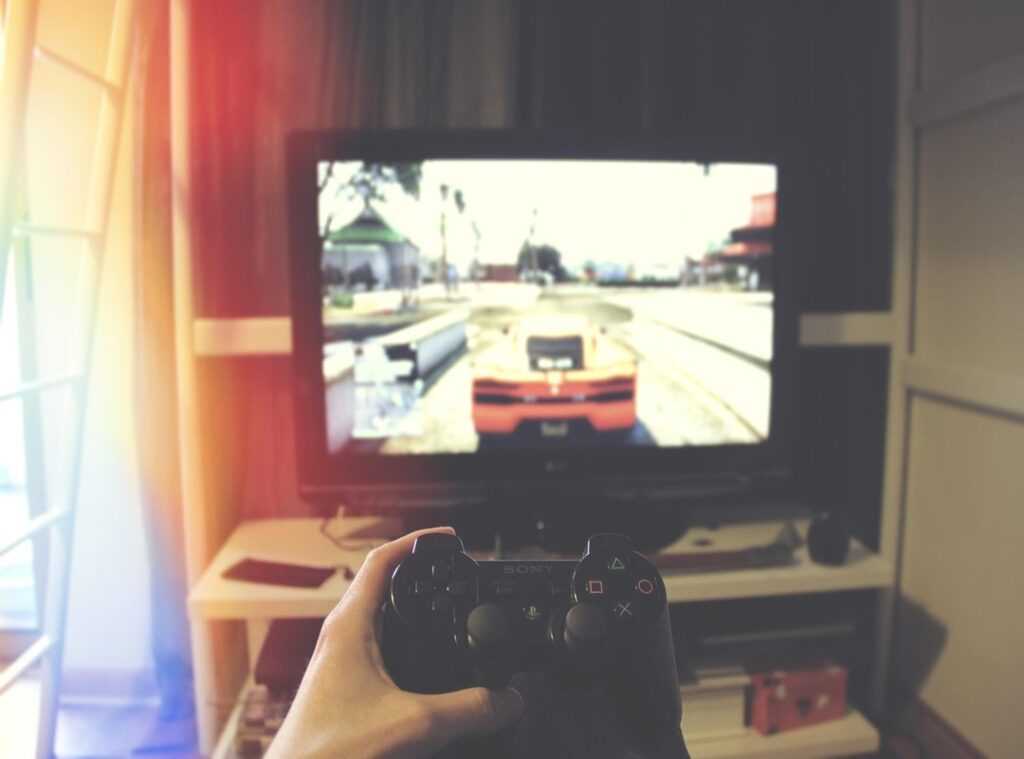
Cloud gaming is exciting. The idea of playing anywhere without downloads draws you in. But then you hit a wall: is it even available where I am?
Many gamers face confusion about cloud gaming accessibility. Different services work in different regions, and device limitations can complicate things even more. Then there’s the internet requirement, which often leaves you wondering if your connection is good enough.
I’ve spent a lot of time digging into gaming infrastructure and service rollouts. I know this space well because I’ve tracked industry trends and applied this knowledge practically.
This article will cut through the noise. I’ll provide clear and actionable takeaways into cloud gaming availability. By the end, you’ll know your options and feel confident about what to do next.
No more guessing. Just straightforward information from someone who understands the gaming tech world.
Cloud Gaming: A Global Playground
Cloud gaming is simple: it’s like streaming movies, but for games. You play high-end titles without needing a fancy rig. Just a stable internet connection.
That’s the bold promise. But, does it really deliver the accessibility it claims? Not always.
You see, cloud gaming accessibility depends on where you are. It’s not just “plug and play.”
Why? Because your geographical location and local infrastructure are key. Data centers, internet service providers, and licensing agreements play a huge role.
They dictate what you can play and where. It’s not as straightforward as Netflix (yet). Some places just have better setups.
So, what does that mean for you? If you’re dreaming of gaming from anywhere on low-end devices, you’ve got to understand these factors.
Here’s a thought: as future wearable tech gaming develops, could that change the game? It’s a possibility I’m excited about. Want to dive deeper into that topic?
Check out future wearable tech gaming. For now, remember: knowing these ins and outs is key to mastering the cloud gaming world.
Top Cloud Gaming Services: Where You Can Play
Why is cloud gaming accessibility such a mess? It’s all about where you live and what you’re willing to pay. I know it’s frustrating. to it.
Take NVIDIA GeForce NOW. It’s got this ‘bring your own games’ model, which sounds great until you realize not every game you own is supported. But the real selling point?
Their global server network. You can check if your country is supported, but the list is long (not endless). Yet, even with servers everywhere, connection quality can be hit or miss.
Then there’s Xbox Cloud Gaming. If you’re into Game Pass, you’re in luck. It’s integrated seamlessly, so you can jump from console to mobile.
PlayStation Plus Premium is another beast. It’s all about streaming PS4 and PS5 games, but only if you’re in specific territories. And yes, you need that premium subscription.
But, it’s primarily focused on certain regions. So, if you’re not in North America or Europe, you might be left in the dust.
Makes you wonder if it’s worth it.
Oh, and don’t forget Amazon Luna, tiptoeing into select regions with its unique availability models. But again, it’s all about where you are. Licensing and infrastructure mean even within the same continent, availability can differ wildly.
If you’re curious about how these services are trying to expand, check out this article on cloud gaming accessibility. It’s an ongoing battle. Is it getting better?
Maybe. But there’s still a long way to go before everyone can play anywhere, anytime.
Cloud Gaming: Beyond Just Service Offerings
When it comes to cloud gaming accessibility, geographical location isn’t just a footnote. It’s a game changer. If you’re miles away from a data center, expect latency.
And in gaming, latency is the enemy. Take Europe, for example. Some areas have stellar coverage, while others lag behind (pun intended).
In contrast, the U.S. has a pretty strong network of data centers. But even here, rural areas might struggle.
Internet speed and stability are your next hurdles. For 1080p gaming, you need at least 15-25 Mbps, while 4K demands 50+ Mbps. But speed isn’t everything.
A stable, low-latency connection (wired beats Wi-Fi every time) is key. Ever tried gaming during peak hours? It’s like waiting in line at the DMV.
Device compatibility is another labyrinth. Not all devices are created equal. PCs, Macs, Androids, iOS, smart TVs, and consoles.
Each has its quirks. And don’t get me started on browser support. Some services play nice with Chrome, others with Safari or Edge.
It’s a mess.
Game libraries can be frustrating. Just because a service is available doesn’t mean your favorite game is. Regional licensing restrictions can keep you from that game you’ve been dying to try.
Publishers hold all the cards here.
Local regulations and infrastructure can also throw a wrench in things. Some countries have strict internet regulations or poor broadband infrastructure, affecting service rollout. It’s not just about availability.
It’s about whether your setup can handle it.
Want more on gaming’s future? Check out augmented reality next gen immersion. It’s fascinating to see how these factors can shape our gaming experiences.
Remember, it’s not just about whether a service is ‘available.’ It’s about whether your personal setup can give you the experience you crave.
Verify Cloud Gaming: Steps for Accessibility
Wondering if cloud gaming accessibility is possible in your area? You’re not alone. Start by checking the official websites for services like NVIDIA GeForce NOW, Xbox Cloud Gaming, and PlayStation Plus Premium.
Head to their ‘supported regions’ or ‘FAQ’ sections. It’s a no-brainer, right?
Now, about that internet speed. Run a speed test. You’ll want to focus on download, upload, and latency (or ping, if you prefer).
Next, why not use free trials or demos? These are perfect for testing the waters without a commitment. You might find out your connection is better (or worse) than expected.
Does your current setup measure up?
Don’t forget your devices. Check if your operating system and browser are up to snuff. It’s frustrating to have the speed but not the compatibility.
Still unsure? Dive into community forums and user reports. Real-world experiences can be eye-opening.
And what about VPNs? They can bypass geo-restrictions but often add too much latency for gaming. Consider them a last resort.
So, are you ready to jump into cloud gaming? Or still on the fence? Either way, these steps will guide your decision.
Max Your Cloud Gaming: Tips for Top Performance
So, you’re all set for cloud gaming? Great, but let’s not settle for just ‘available.’ First, use an Ethernet cable. Wi-Fi’s nice, but Ethernet’s your stability king.
You don’t want lag ruining your game.
Next, adjust those in-game settings. Lower graphics to save bandwidth and improve responsiveness. It makes a difference.
Choose servers close to you. Every mile counts.
And hey, don’t forget your peripherals. Low-latency controllers are a must for that perfect gaming feel. It’s not just about cloud gaming accessibility (it’s) about tuning your setup for the ultimate experience.
Take Control of Your Cloud Gaming Experience
I’ve addressed your confusion about cloud gaming accessibility. The tricky mix of location, internet speed, and service specifics can feel overwhelming. But you now have a clear path forward.
By following the steps outlined, you can check your eligibility and improve your setup.
Why wait? Dive in and discover the future of gaming from your own home.
You have the power to transform your gaming experience.
Take action now and start your cloud gaming journey today. Don’t let uncertainty hold you back. The gaming world is waiting for you.
 MildKettle serves as the lead technical strategist, specializing in the deep-dive analysis of game development techniques and hardware integration. With a meticulous eye for detail, MildKettle deconstructs complex innovations and multiplayer frameworks to provide readers with actionable data and high-level performance insights. By bridging the gap between raw code and gameplay execution, MildKettle ensures that the community has access to the technical expertise required to navigate the ever-evolving mechanics of modern titles.