
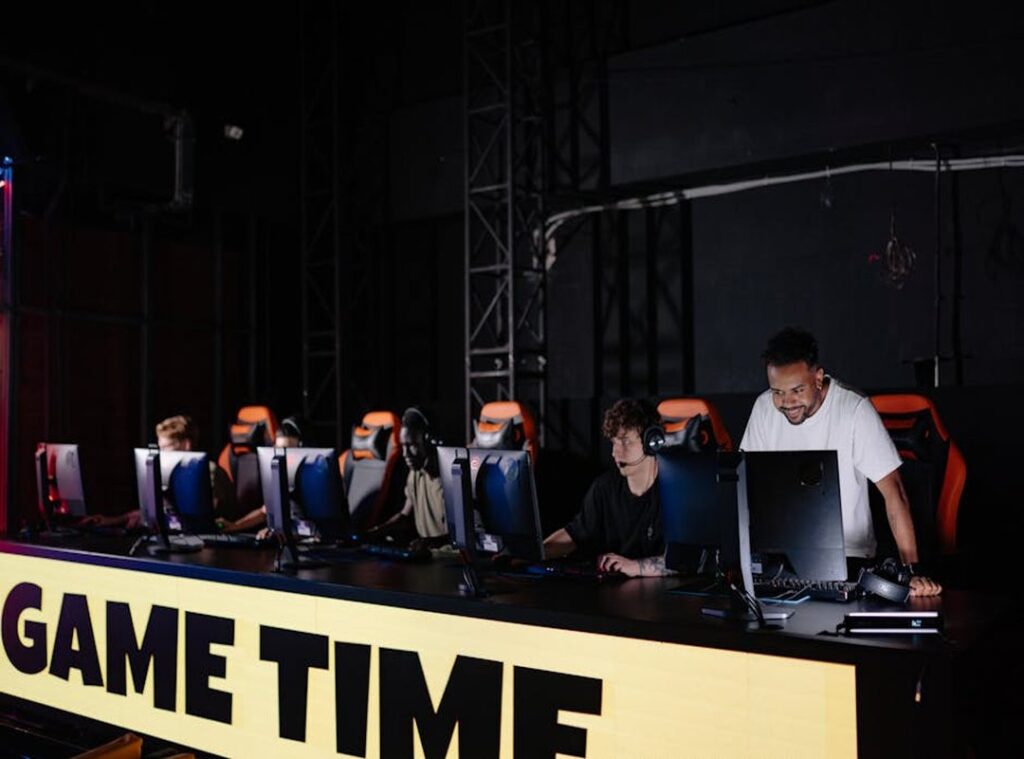
Multiplayer games can be a mess. Nothing grinds your gears like disorganized team play that kills your fun and derails your success.
I’ve been there, and it’s frustrating.
This article is your guide to mastering team dynamics multiplayer. I’ll break down how to analyze and improve team interactions so you can raise your gaming experience. After years of analyzing multiplayer strategies and player dynamics, I’ve discovered what really makes teams tick.
You’ll get practical strategies that go beyond the usual advice. I’m not here to give you fluff. I want you to walk away with actionable takeaways that can transform how your team plays.
Think about your recent gaming sessions. Did you feel like your team was working together? Or did it feel more like a free-for-all?
Mastering these interactions isn’t just helpful; it’s important for gaining a competitive edge.
By the end of this article, you’ll have a roadmap to improve your team’s performance and enjoyment. Let’s dive in.
Multiplayer Magic: Team Dynamics Explained
When we talk about collaborative multiplayer team interactions, we’re going beyond just hanging out in a game world. It’s not just about co-presence; it’s about the detailed dance of communication, coordination, and combo. Ever used in-game pings or voice chat to plot a plan?
That’s the communication part. It’s the verbal and non-verbal signals we send to maneuver our way to victory.
Coordination is even more thrilling. Think about synchronizing movements during a boss raid. It’s like a digital ballet.
In games like a MOBA, controlling lanes isn’t just about being there. It’s about knowing when to push or retreat. The combo in these games, where each player’s unique skills amplify the collective power, makes the victory feel earned.
These interactions aren’t static. They’re alive, evolving with the game’s state and the opponent’s actions. This changing nature is what makes gaming an art form.
Interested in enhancing your gameplay experience further? Check out our takeaways on Developing Map Awareness Skills. You’ll see how map awareness ties into this bigger picture of team dynamics multiplayer.
Teamwork Wins: The Multiplayer Secret
When it comes to multiplayer games, teamwork is everything. You might think you can solo your way to victory, but let’s be honest: individual skill often crumbles against strong team dynamics. I’ve seen it countless times.
A group with team dynamics multiplayer mastery will trounce even the most skilled solo players. Why? Because they communicate.
They strategize. They adapt.
Think about it. How many times have you seen a game turn around because of one coordinated play? The psychological benefits are clear.
Playing with a cohesive team boosts enjoyment, reducing the rage-quits and frustration. You bond over shared victories and even learn from losses (though we hate those).
Now, compare that with a disjointed team. It’s chaos. Everyone’s a lone wolf, running around with their heads cut off.
No plan, just a mess. But when you play with a well-oiled squad, the experience transforms. The game flows, and strategies deepen as you pull off maneuvers that a scattered team couldn’t even imagine.
Doesn’t that sound ideal? Teamwork isn’t just an advantage; it’s important. You want a better win rate and more satisfying matches?
Start valuing those team connections. That’s the real game-changer.
Unlocking Team Success: The Core Pillars
Let’s talk about clear and concise communication. How often have you been in a game when someone rambles on with unnecessary details? Drives me nuts.
Effective callouts and objective setting can make or break a game. Get to the point. Say what needs to be said, then move on.
Distinguishing important info from the noise is an art.
Now, about role clarity and combo. You can’t win without knowing your part. Each player’s role matters.
But here’s the twist: be flexible. Adapt when needed. It’s about how those roles mesh to create a cohesive unit.
Without combo, you’re just a bunch of individuals on a map.
Shared strategic understanding is another pillar. Having a unified game plan means everyone’s on the same page (or should be). Whether it’s pre-game or adapting mid-match, a single direction is key.
Trust me, it keeps the chaos at bay.
And let’s not forget trust and adaptability. Trust your teammates (even when it feels risky). If a plan isn’t working, pivot.
Quick thinking often saves the day.
Positive reinforcement also plays a role in building trust. Encouraging teammates boosts morale. A supportive environment leads to learning and resilience.
After all, who doesn’t want to improve? Keep that in mind during your next match.
Overcoming Team Collaboration Obstacles: Tactics for Gamers
Miscommunication and information overload are beasts, aren’t they? They ruin team dynamics in multiplayer settings. Streamlining communication is key.

You can’t just spam pings. Use them strategically to cut through the noise. Active listening?
Not just a buzzword. It’s key for understanding what’s actually going on.
Now, let’s talk roles. Ever felt like you and your teammate are both doing the same thing? It happens.
Pre-game discussions help. Clearly define responsibilities before diving in. Practicing different team setups can also highlight strengths and weaknesses.
Ego and toxicity are killers. They destroy the spirit of collaboration. Conflict management isn’t just for HR reps.
Promoting respectful dialogue can save the day. A team leader who can de-escalate tense situations is worth their weight in gold.
Combo and coordination breakdowns are frustrating. Timing drills and practice scenarios improve combined ability usage and synchronized attacks. Without them, you’re just flailing around.
Decision paralysis? Real issue here. Establish a decision-making hierarchy or process for quick, consensus-driven calls.
In high-pressure moments, having a set structure is key. For more effective communication tips online, explore resources that can transform how teams interact.
Team Dynamics: From Planning to Play
Pre-game planning is where the magic starts. You can’t just wing it and hope for the best. Talk team composition, hash out strategies, and yes, dive into opponent analysis.
It’s like studying for a test. You wouldn’t go in blind, right? In-game communication can make or break you.
Effective callouts, using game mechanics like marking targets, can keep everyone in sync even without voice chat. Timing’s everything. Miss a beat, and you might miss the win.
Practice makes perfect. Or at least, it makes better. Structured practice sessions focusing on specific aspects like objective control or team fights are key.
Scrimmages aren’t just for fun; they’re for honing skills. Post-game review is where you learn. VOD reviews let you see what you did wrong (and right).
Constructive criticism is key. Don’t just identify mistakes (fix) them. Learn and apply these lessons for future matches.
Team dynamics in multiplayer games aren’t just about the game. Building chemistry outside the pressure cooker of competition matters. Understanding individual playstyles can improve in-game cohesion.
Does it sound like work? Maybe. But it’s all about enhancing that team changing.
You’ll thank yourself later.
Level Up Your Gameplay
Mastering collaborative multiplayer team interactions isn’t just about individual talent. It’s about how we work together, right? Frustration often stems from uncoordinated play.
I get it.
By applying clear communication, defined roles, and effective conflict resolution, you can boost your team’s performance. These strategies aren’t just theory. They work across all genres.
Are you ready to raise your team dynamics multiplayer experience? Start using these principles in your next game. Share your takeaways with teammates.
Watch how these changes improve your gameplay and enjoyment. Don’t wait. Take action now and transform your gaming sessions into something extraordinary.
You’ve got this.
 Zane Tzortinos founded BFNC Gaming as a premier destination for enthusiasts seeking a deeper understanding of the digital landscape. With a focus on the intersection of technical skill and industry innovation, Zane has curated a platform that explores everything from the intricate frame data of fighting game mechanics to the complex world of game development techniques. Under his leadership, the site serves as an essential resource for players looking to master competitive multiplayer strategies while staying ahead of the latest global gaming trends.