

If your game is lagging or your graphics look like they belong in the last decade, you’re probably feeling frustrated. I get it. You want your game to shine without sacrificing performance.
The solution? Graphics optimization techniques.
These techniques can transform gameplay and make everything smoother. I’ve seen it work wonders for games that were struggling to keep players engaged.
This article dives deep into practical methods to boost your game’s graphics without compromising frame rates. I’ll share takeaways based on my own experiences and research, cutting through the fluff to give you straight advice.
You’ll learn which tools to use, what common mistakes to avoid, and how to set up changes effectively.
By the end, you’ll have a solid game plan to boost your game’s visuals. Let’s get started on turning those pixelated nightmares into stunning showcases that keep players coming back for more.
The Power of Visuals: Why Image Enhancement Matters
High-quality images aren’t just nice to have; they’re important. They grab attention, convey professionalism, and build trust. You ever scroll past a blurry photo?
Exactly. Visuals are your first impression in digital communication. Whether it’s social media, personal branding, or gaming content, visuals are key.
Enhanced images lead to increased engagement and better click-through rates. Who doesn’t want that?
Let’s talk gaming for a second. Ever tried to share a game screenshot and realized it looks like a pixelated mess? It’s a disaster.
Poor image quality can ruin perception faster than you can say “game over.” Think about graphics optimization techniques. These aren’t just for making things look pretty. They’re strategic tools to achieve your communication goals.
Consider professional portfolios. A sharp, clear image can make the difference between “Wow, impressive!” and “Meh.” This applies to product images too. Unappealing photos?
They scream unprofessionalism. Boost them and watch your message strengthen.
For those building immersive storylines in games, visuals are key. They support your narrative and engage your audience. So, next time you’re tempted to skip image enhancement, remember: quality visuals aren’t optional.
They’re your digital handshake.
Quick Fixes: Image Boosting Hacks
You ever stare at an image and think, “This could be better”? You’re not alone. I’ve been there, tweaking brightness and contrast until something clicks. Brightness and contrast are your go-to tools for boosting clarity.
Up the brightness if things look murky, but dial it back if you’re washing out details. Contrast increases the difference between light and dark areas, making your subject pop.
Exposure correction is your lifesaver for images that are too dark or too bright. It’s about finding that sweet spot where details aren’t lost. Without it, your photos might as well be under a rock.
Let’s talk about color now. Saturation and vibrance can make or break an image. Saturation intensifies all colors (sometimes too much), while vibrance is a bit smarter.
It enhances muted colors without oversaturating the bright ones. Use them wisely. Nobody wants a neon nightmare.
Then there’s white balance. Ever notice those yellow-tinted indoor photos? White balance fixes that, making whites truly white.
It’s the difference between looking like you shot in candlelight or daylight.
For those diving deeper, graphics optimization techniques are worth a look. They provide a roadmap for refining visuals further.
Visual Mastery: Next-Level Image Enhancement
Ever wondered how to make your images truly stand out? Let me tell you, it’s all about the details. These graphics optimization techniques can take your visuals from good to awe-inspiring.
First, sharpening is a game-changer. It adds crispness without those annoying artifacts. I’ve spent late nights tweaking sharpness, finding just the right balance is key.
Noise reduction is another must, especially for low-light photos. Grainy images? No thanks.
A smooth finish can make all the difference (trust me, I’ve learned this the hard way). Then there’s color grading and correction. Want to set a specific mood?
It’s magic. LUTs (Look-Up Tables) can create stunning aesthetics.
Selective adjustments? They’re your secret weapon. Use brushes and gradients to boost specific areas.
Think brightening a character’s face in a game screenshot without affecting the background. It’s like giving your image a spotlight!
And let’s not forget cropping and composition. The rule of thirds isn’t just theory (it’s) a practical guide to balance and focus. Need to remove distractions?
Cropping is your friend. Want to know more about integrating realistic physics into games? Check out integrating realistic physics games.
Tools That Boost Creativity: Software and In-Game Options
When it comes to graphics optimization techniques, there’s a dizzying array of software tools to explore. Some are free, like GIMP, which packs a punch without costing a dime. Canva’s another freebie, perfect for those quick edits.
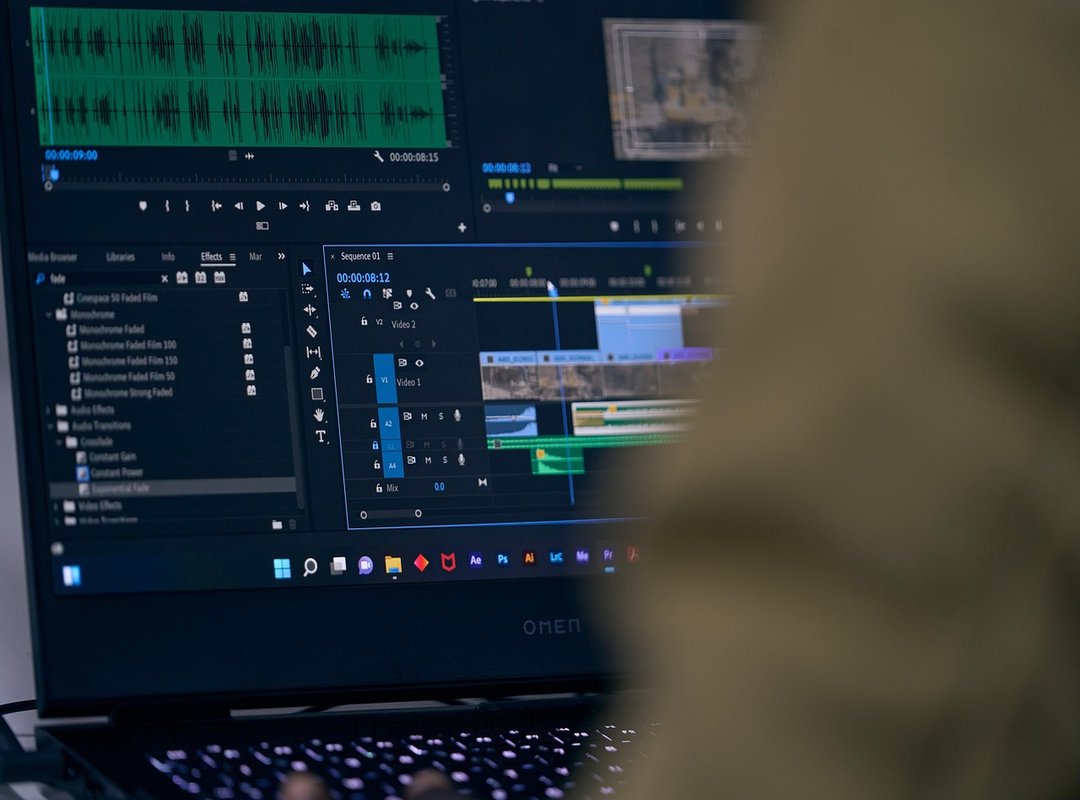
But let’s not kid ourselves: Adobe Photoshop and Lightroom are the real heavyweights. They cost a pretty penny, but the features are unmatched. Ever tried those basic editors on your phone or computer?
They’re surprisingly handy for quick fixes.
Now, in-game photo modes are a whole other beast. Many modern games offer built-in photo tools that let you capture stunning in-game moments. It’s like having a mini Photoshop right in your game.
How cool is that? (I’m not sure if everyone uses them, but they should.)
Then there’s streaming software like OBS. This tool lets you add real-time filters and adjustments to your webcam or game capture. It’s a game-changer for live content.
But honestly, it can feel overwhelming at first.
So, which tool to choose? It all boils down to what you need and your skill level. Start simple, then level up.
That’s my take.
Get Specific: Image Optimization Done Right
Graphics optimization techniques aren’t one-size-fits-all. Each platform demands a unique plan. You can’t just slap the same image everywhere and expect magic.
For web and blogs, compression isn’t optional. Use JPEG, PNG, or WebP to balance speed and quality. Too slow?
Visitors will bounce faster than you can blink.
Social media? That’s a beast of its own. Ever uploaded a photo to Instagram and wondered why it looked weird?
Aspect ratios matter. Plus, algorithms mess with image displays. Why does it matter?
Because your image could end up cropped or pixelated. Not ideal for your brand, right?
Print is another story entirely. It’s all about DPI and color profiles like CMYK. You can’t afford to ignore resolution here if you want a crisp finish.
In gaming, high-quality graphics are key. Textures, UI elements, promotional art. You name it.
Consistency is your friend. Without it, your game could feel disjointed.
Does this all sound a bit overwhelming? I get it. But remember, the right image in the right place can raise your entire project.
Don’t just wing it (embrace) the details, and your visuals will tell the story they were meant to. Tailor your images, and watch them pop.
Take Action on Your Visuals Today
You now have a solid grasp of image enhancement strategies. Unoptimized images? They won’t cut it in today’s crowded digital space.
They fail to connect and lack professionalism.
But by applying these graphics optimization techniques, you can transform your visuals into something engaging and memorable.
Don’t wait. Start experimenting with these strategies right now. Dive in and practice until you master them.
Your visual stories deserve to come to life.
So go ahead. Start enhancing your images today and watch how they raise your content. You’ve got this.
 As the primary competitive analyst and strategist, cosmic_pirate focuses on the nuances of high-stakes play and fighting game mechanics. cosmic_pirate is dedicated to breaking down the latest trends in the esports scene, offering masterclasses on strategic positioning and frame-perfect execution. Through comprehensive guides and real-time trend reporting, cosmic_pirate empowers players to refine their skills and adopt the advanced tactics necessary to dominate in a multiplayer environment.