
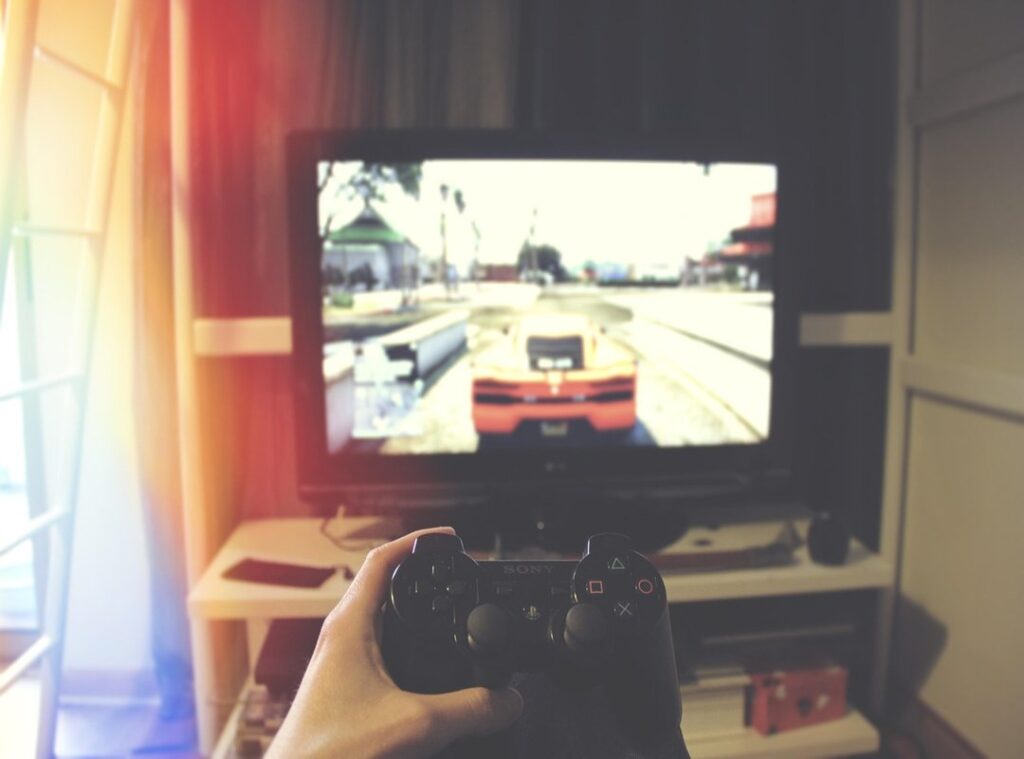
Gaming is a fast-paced world where change is the only constant. You feel it, I feel it. The question is, how do we keep up?
The gaming consoles evolution is a perfect example of this rapid transformation. From the bulky boxes of the past to sleek, solid machines today, the journey is wild. Each console tells a story of innovation and ambition.
You might wonder what drives these changes.
Is it consumer demand? Technology advancements? Maybe a bit of both?
In this article, I’ll break down the key milestones of gaming consoles. I’ll cover what made each generation stand out. You’ll get takeaways into how they shaped our gaming experience.
By the end, you’ll understand the forces behind these developments. You’ll see how they impact your gaming today. Trust me, this isn’t just a history lesson.
It’s about knowing where we came from to appreciate where we are going.
The Rise of Interactive Gaming: From Arcades to Living Rooms
Remember the Magnavox Odyssey? It was the pioneer in home gaming systems, introducing interactive play into our living rooms. It set the stage for the gaming consoles evolution, bringing digital experiences home for the first time.
But let’s be real, it was the arcades that truly captured hearts. Who could resist the allure of ‘Pong’ or the thrill of ‘Space Invaders’? We poured quarters into these machines, proving that gaming wasn’t just a fad.
It was here to stay.
Then came the Atari 2600, changing everything. With interchangeable game cartridges, it offered diverse gameplay right at home. No more trips to the arcade (though we still loved them).
This was gaming’s golden era. Yet, these systems had their limits: basic sprite graphics, simple sound chips. But oh, the creativity they sparked!
Developers worked magic with what they had.
Culturally, these early systems laid the groundwork for gaming as mainstream entertainment. Despite the ‘video game crash’ of 1983, they proved that gaming wasn’t just child’s play. It was a new form of storytelling and interaction.
Who knew pixels could pack such a punch?
Console Wars: The 8-bit and 16-bit Battle
Remember the Nintendo Entertainment System (NES)? It wasn’t just a console; it was a revolution. Nintendo revived a dying industry with strict quality control and unforgettable games like “Super Mario Bros.” This title alone set a new bar for gameplay and storytelling.
But Nintendo wasn’t alone for long. Sega came storming in with the Genesis (or Mega Drive, if you’re fancy), sparking the infamous console wars.
This rivalry? It didn’t just make headlines. It pushed both companies to innovate rapidly.
Better graphics, richer sound, and more complex game mechanics became the norm. The 16-bit era was about more than just tech. It was about creating game worlds that told stories as detailed as any novel.
And then, the Game Boy. Talk about democratizing gaming. This little device expanded the market, allowing gaming on the go.
Suddenly, everyone was a gamer. With this evolution, themes matured, narratives deepened. The player base was growing up, and so were the games.
Curious about how gaming impacts our minds? Dive into the psychology behind game addiction to explore these fascinating dynamics.
Gaming’s 3D Leap: CD-ROMs and New Rivals
The jump to 3D graphics in the mid-90s was more than a tech upgrade. It was a revolution. CD-ROMs changed the game, literally, by packing more data and delivering richer visuals and sound.
Remember popping in a disc and just knowing this was the future? It felt limitless.
Sony’s PlayStation bulldozed its way into this era. They weren’t just in the game; they defined it. By appealing to an older crowd, Sony widened the industry’s reach, making gaming not just for kids anymore.
Meanwhile, Nintendo struck back with the Nintendo 64. They brought the analog stick into the mainstream, giving us more control and creating unforgettable 3D worlds. You ever played Mario 64?
A game-changer in every sense.
Sega, though, faced a harsh reality. The Sega Saturn struggled against these giants and eventually bowed out of the hardware fight. Competition was cutthroat, and only the adaptable survived.
This shift to 3D was deeper than graphics. It changed how games were played. New design principles emerged, focusing on immersive worlds and complex camera angles.
This wasn’t just a phase; it was the dawn of the gaming consoles evolution.
Online Worlds and Multimedia Powerhouses: Gaming’s Big Leap
The early 2000s to the 2010s? A golden era for gaming consoles evolution. Xbox Live and PlayStation Network changed everything.

Consoles became more than gaming machines. They turned into multimedia hubs. The PlayStation 2 and Xbox offered DVD playback, which was a game-changer (pun intended).
Suddenly, gaming wasn’t just about beating levels; it was about beating friends (online.) Did we see the social world coming to life through a headset? You bet we did.
Who needed a separate DVD player when your console did it all? This shift made gaming systems a central part of home entertainment.
High-definition graphics? Absolutely. The Xbox 360 and PlayStation 3 brought visuals to life, pushing realism in games further than ever.
This was more than pixels; it was art. And with Nintendo’s Wii, gaming got physical. Motion controls reached a new audience, expanding the market beyond hardcore gamers.
Then, digital distribution and downloadable content (DLC) came along. Buying games shifted online, just like that. The table of these innovations highlights their impact.
We weren’t just playing games; we were experiencing them in new ways. This era? It changed everything.
Gaming’s Bold New Era: Consoles to Clouds
The gaming consoles evolution is a wild ride. Remember when the PlayStation 4 and Xbox One were the pinnacle? Now they’re almost quaint compared to the PlayStation 5 and Xbox Series X.
These modern beasts focus on enhanced graphics and barely-there loading times. Nintendo Switch brings its own magic with portable versatility.
But don’t think PCs are left behind. They’ve always been the secret weapon of gaming. You can’t beat the thrill of customizing your rig for the latest modern graphics.
PC gaming isn’t just about the specs; it’s where competitive esports and modding thrive.
But do they really work? Time will tell.
Let’s talk about cloud gaming. It’s shaking things up, letting you play high-end games without the hardware. Google Stadia and Xbox Cloud Gaming are trying to make gaming more democratic.
Then there’s VR and AR. Platforms like Oculus Quest and PlayStation VR are pushing boundaries for immersive experiences. It’s not just about gaming anymore.
It’s about stepping into new worlds. Want to look gaming culture worldwide? Technology is your passport.
Cross-platform play and accessibility features are making gaming inclusive. That’s a trend I can get behind.
The Road Ahead in Gaming
The gaming consoles evolution shows how far we’ve come and where we’re headed. I know it can be overwhelming to keep up with the rapid changes in gaming technology. But understanding this history gives you the context to appreciate current trends and anticipate what’s next.
Think about how your own gaming experiences are shaped by this rich past. Are you ready to dive deeper? Explore the latest innovations or revisit classic titles that paved the way.
Stay curious about the changing world of interactive entertainment. Don’t just observe; get involved.
Join the conversation and keep your gaming passion alive. The future is bright. You won’t want to miss out.
So jump in and engage now.
 cole80 founded BFNC Gaming as a premier destination for enthusiasts seeking a deeper understanding of the digital landscape. With a focus on the intersection of technical skill and industry innovation, cole80 has curated a platform that explores everything from the intricate frame data of fighting game mechanics to the complex world of game development techniques. Under his leadership, the site serves as an essential resource for players looking to master competitive multiplayer strategies while staying ahead of the latest global gaming trends.