
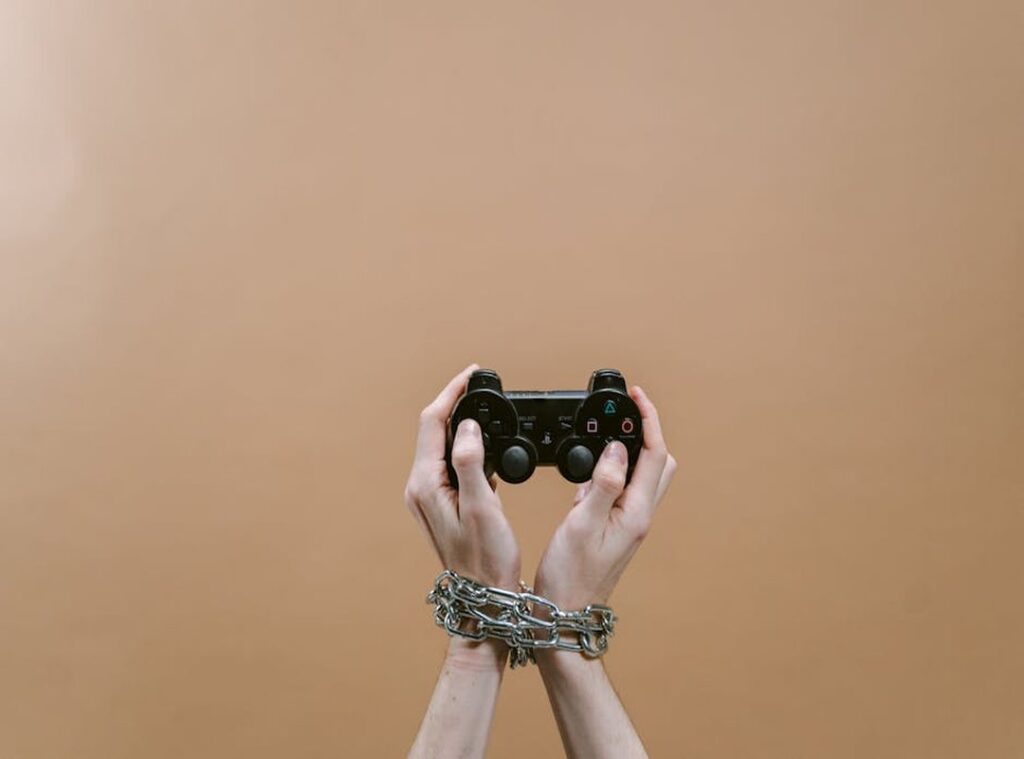
Games have a deep impact on us. The thrill of victory, the pull of a new world, the frustration of a challenge (it’s) all there. But why do certain games captivate us more than others?
Many gamers experience intense emotions and behaviors without fully grasping the deep psychological principles at play. This article will the “why” behind gaming behavior.
Understanding gaming behavior psychology requires takeaways from both psychological theory and practical game design. I’ve spent years analyzing countless game mechanics and player interactions to reveal the hidden psychological triggers.
You’ll find clear explanations, practical examples, and actionable takeaways into the psychological forces shaping how we interact with games. This matters for both players and aspiring designers.
By the end, I promise you will walk away with a better understanding of game addiction psychology and how it influences your gaming experience.
Gaming Behavior Psychology: The Mind Behind the Controller
Ever wonder why some games are like magnets, pulling you in for hours? gaming behavior psychology comes into play. It’s the scientific study of how we think, feel, and act in the world of video games. This field isn’t just one-note; it’s a mash-up of cognitive psychology, social psychology, developmental psychology, and even neuroscience (a total mind-bender).
Throw in some game design principles, and you’ve got a recipe for understanding what makes gaming tick.
But what does it really seek to answer? Well, it digs into what motivates players (why you can’t put that controller down), how games mess with our brains, and why some games are more addictive than caffeine. Social dynamics in virtual worlds?
It looks at that too, because let’s face it, online gaming is a social jungle.
Why should you care? For players, it’s about self-awareness and being mindful of your gaming habits. For developers, this knowledge is key for creating engaging and ethical games.
So the next time you’re deep in a game, think about what’s happening in your head. It’s not just pixels (it’s) psychology.
The Master Keys: Core Psychological Triggers in Gaming
Ever wonder why you can’t put down that controller? It’s all about game addiction psychology. Games aren’t just mindless fun; they masterfully use psychological triggers to keep you hooked.
The Flow State
Mihaly Csikszentmihalyi nailed it with his flow concept. You’ve felt it, right? That deep immersion where hours feel like minutes?
Games hit this by balancing difficulty and skill. They set clear goals and provide instant feedback, pulling you into the zone effortlessly.
Operant conditioning is another sneaky trick. Remember the thrill of a loot drop? That’s variable rewards at work.
Games alternate between fixed and unpredictable rewards (like leveling up or snagging a rare item). Keeps you playing, doesn’t it?
But it’s not just about loot. Games give us a sense of agency and competence. They let you make choices, level up, and master skills.
This control makes you feel accomplished.
And we can’t ignore the social side. Multiplayer games feed our need for connection. Whether you’re joining a guild or competing on leaderboards, the look gaming culture worldwide proves we’re all in this together.
So, why do you keep coming back to games? It’s not just about the gameplay. It’s about fulfilling these psychological needs, one game at a time.
Beyond the Surface: Player Motivation and Engagement
Why do we play games? It’s not just about simple rewards or leveling up. There’s a whole world of psychology at play.
Take the Self-Determination Theory (SDT) for instance. Ever felt that rush when you customize your character or explore an open world? That’s autonomy.
You’re in control, making choices on your terms. Then there’s competence. We crave feeling effective, overcoming challenges, and mastering game mechanics.
It’s like playing a difficult level and finally nailing it. And don’t forget relatedness. Games let us connect with others, whether through cooperative play or competitive rivalries.
It’s a social glue.
Achievement motivation also plays a role. We want to succeed, overcome obstacles, and show our skills. Those in-game achievements and rankings?
They’re not just badges. They’re milestones of our progress. But let’s not overlook the escape and fantasy aspect.
Games offer a safe haven, letting us step into other worlds and roles. It’s a break from reality, a chance to breathe.
And who doesn’t love novelty and exploration? Discovering new content and stories satisfies our curiosity. We’re wired for it.
If you’re curious about how gaming has evolved over time, check out the evolution gaming consoles. It’s fascinating to see how far we’ve come. Game addiction psychology taps into these deep motivations, making the gaming experience both thrilling and complex.
Navigating the Shadows: Problematic Gaming Behaviors
Gaming isn’t all bad, but let’s not ignore the dark side. Excessive gaming can lead to problematic behaviors that mess with your life. High engagement isn’t evil, but when it starts to impact responsibilities or relationships, that’s when you know there’s a problem.
Why do some of us get hooked? Games can become crutches for stress, anxiety, or loneliness. They offer a world where you can escape (and who doesn’t want that sometimes?).
But when gaming starts to replace real-world interactions, it might be time to pause and think.
They can make it hard to step away. Recognizing these traps is key to understanding game addiction psychology.
Game design plays a role too. Endless progression loops and addictive rewards keep us coming back. And social pressures?
So how do you spot the signs? Look for neglected duties, withdrawal from friends, or irritability when away from the screen. These are red flags waving in your face.
Promoting healthy gaming isn’t about quitting. It’s about balance. Set boundaries, take breaks, and understand why you’re playing.
Self-awareness is your first step to mindful gaming. Let’s play smart.
From Theory to Play: Applying Psychology in Game Design
Game design isn’t just about flashy graphics. It’s about understanding how our minds tick. I believe game addiction psychology plays a massive role here.
Developers should focus on ethical game design (not) just what’s profitable.
Take onboarding experiences. They should teach effectively without drowning players in information. It’s like a tutorial that’s actually fun.
When you nail it, players stick around longer. You know what’s annoying? Games that shove paywalls at you after just a few levels.
Keep progression rewarding, not frustrating.
Social features? They can make or break a game community. Good design fosters positive interactions, not toxic ones.
If you’ve ever been part of a gaming community, you know what I mean. Let’s not forget the flow state. It’s that perfect mix of challenge and reward.
Get it right, and players won’t want to leave (in a healthy way).
Now, for players. Understanding these tricks can help your play. Recognize the game design strategies, and you’ll manage your time better.
Use self-awareness to balance your gaming habits and get the most enjoyment. Why not set personal goals? It’s about improving skills, not just passing time.
Gaming should be fun, not a chore.
Open up Your Gaming Potential
Exploring gaming behavior psychology has transformed how I see my favorite hobby. I’ve peeled back the layers of game addiction psychology and found the reasons behind our obsession with games. This knowledge empowers both players and creators.
Now it’s your turn. Reflect on your gaming habits. What drives you?
Use these takeaways to boost your experience or influence your next game design.
Ready to dive deeper? Check out BFNC Gaming for more strategies and takeaways. Don’t miss out on mastering your gaming passion.
The next level is waiting for you. Call or visit today to get started.
 As the primary competitive analyst and strategist, cosmic_pirate focuses on the nuances of high-stakes play and fighting game mechanics. cosmic_pirate is dedicated to breaking down the latest trends in the esports scene, offering masterclasses on strategic positioning and frame-perfect execution. Through comprehensive guides and real-time trend reporting, cosmic_pirate empowers players to refine their skills and adopt the advanced tactics necessary to dominate in a multiplayer environment.