
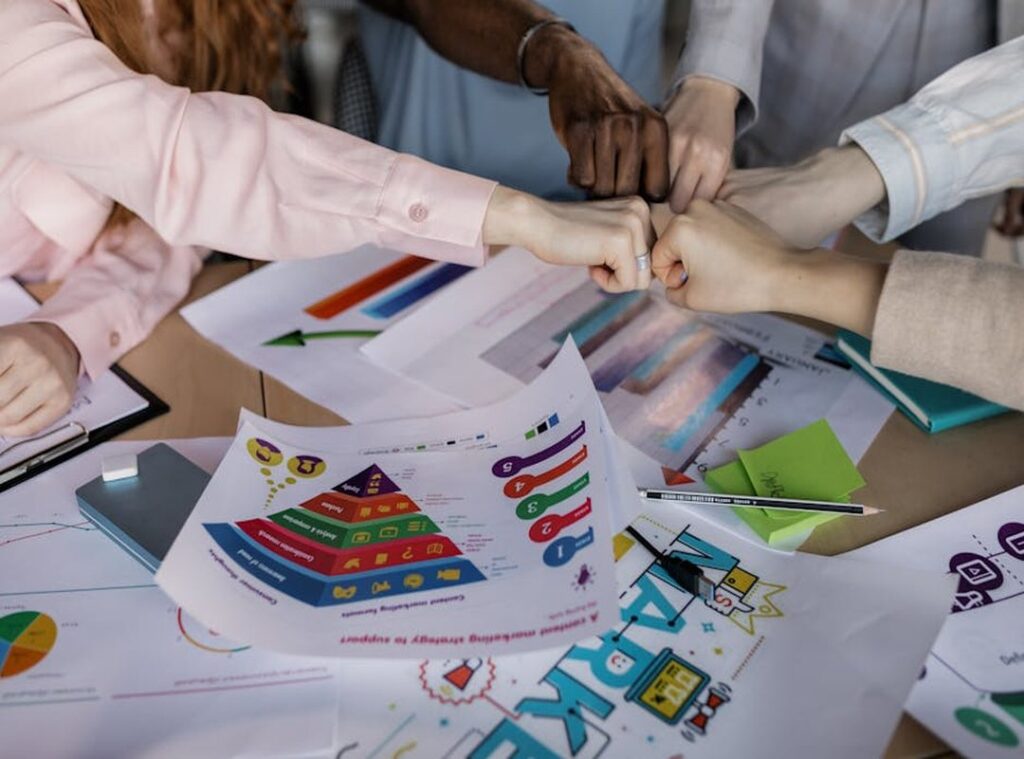
I know the frustration of inefficient teamwork. It’s infuriating to see group projects or gaming sessions fall apart because of poor communication and missed opportunities.
This article dives into cooperative modes strategies that can turn those failures into successes. I’ve analyzed successful team dynamics in high-stakes environments like competitive gaming and complex game development. Trust me, there are proven methods out there that really work.
You want actionable techniques to improve how your team collaborates. You want to boost communication and coordination. You want to see your team perform better and achieve shared goals.
Strong collaboration isn’t just nice to have; it drives innovation and leads to real results.
I’m here to share what I’ve learned so you can set up these strategies right away. By the end, you’ll have practical tools to transform your group efforts into successful outcomes. Let’s get into it and master this together.
Collaborative Techniques: The Secret Sauce of Success
Collaborative approach techniques are structured methods and mindsets that let groups crush it together toward a shared goal. They’re not just for suits in boardrooms. What’s really happening here?
Shared understanding, mutual respect, open communication, and collective problem-solving. These techniques aren’t just buzzwords; they’re the backbone of any successful team, especially in gaming and project management.
Think about a gaming squad coordinating roles in a multiplayer match. That’s a basic collaborative approach. And it’s golden.
You can’t have everyone trying to be the hero (unless chaos is the goal). When each role is clear, efficiency and problem-solving soar.
In today’s fast-paced environments, these techniques are key. Team-based gaming and game development hinge on them. Without them, you’re just a bunch of people staring at screens, hoping for a miracle.
Why wouldn’t you want that? Cooperative modes strategies aren’t just a nice-to-have; they’re important. Whether you’re coordinating a gaming squad or managing a project, embracing these techniques can make things smoother and more effective.
But with them? You’ve got increased efficiency, better problem-solving, enhanced creativity, improved morale, and higher success rates.
Get on board, and watch the magic happen.
Teamwork That Wins: Important Collaboration Principles
Ever wonder why some teams just click while others crash and burn? It’s all about having a shared vision and goals. In game design, when everyone knows the objective, it’s like magic.
You avoid aimless wandering and wasted efforts. Imagine a team in a cooperative game mode: without a clear win condition, you’re just button-mashing in the dark.
Communication is key. Without open and honest exchanges, misunderstandings pile up faster than bugs in a new release. Active listening and clear articulation?
They’re not just buzzwords. They’re how you keep everyone on the same page. Think about it: how often have you seen a team crumble because nobody was really listening?
Mutual trust and respect build the foundation for success. When team members trust each other, they’re more likely to take risks and share crazy ideas (sometimes those are the best ones). This creates psychological safety, which is key in any collaborative effort.
Defined roles and responsibilities prevent chaos. Assign tasks clearly to avoid duplication and confusion. It’s like having the right loadout in a game; you need the right tools for the job.
Speaking of which, if you’re into optimizing loadouts success, check that out.
Adaptability and flexibility? They’re your secret weapons. The gaming world is unpredictable, and cooperative modes strategies demand constant adaptation.
Stay nimble, and you’ll always be ready for the next challenge.
Boost Productivity with Cooperative Modes
Agile sprints are all the rage. These short bursts of work, paired with daily check-ins, keep everyone on track. They’re especially useful in fast-paced fields like game development.
Ever tried running a game dev project without them? Good luck with that.
Let’s talk brainstorming. It’s not just tossing ideas around. Techniques like round-robin and mind mapping make sure everyone gets a voice.
No more dominant chatterboxes taking over. You’ll be amazed at the creativity that flows when everyone’s involved.
Now, feedback. Nobody likes criticism, right? But with the sandwich method (positive,) negative, positive (you) can dish it out without the drama.
Focus on behaviors, not the person, and you’ll see real improvement.
Conflicts? They happen. When they do, find common ground.
Look for win-win solutions. Simple steps make this manageable, not a headache.
Decision-making can get tricky, but methods like consensus building or DOT voting simplify it. They’re transparent, fast, and keep everyone in the loop. Trust me, you’ll thank me later for introducing these.
Want a tip? Start with just one new technique to avoid overwhelming your team. For more on effective communication team play, check out our site.
Embrace these cooperative modes strategies and watch your team thrive.
Tools and Tech: Make Collaboration Click
You can’t ignore digital platforms like Slack and Discord if you’re serious about real-time communication. These tools keep remote teams connected with chat and voice calls. It’s like having a virtual office where information flows seamlessly.
But let’s not stop there.
Project management software like Trello, Asana, and Jira are game-changers for tracking tasks and deadlines. They help you see the big picture without losing the details. Trust me, juggling projects is easier when you have a clear roadmap.
You don’t want to miss out on these.
Collaborative document tools are another must. Google Workspace and Microsoft 365 let teams co-edit and control versions easily. Everything is centralized, which makes life simpler.
Imagine working on a document and watching changes happen live. Feels like magic, right?
For game developers, version control systems like Git are important. They manage code and asset changes without conflicts. You need something that fits your team, not just the latest trend.
Tools should boost your workflow, not complicate it.
Interested in more strategies? Check out co op mechanics and design. It dives into cooperative modes strategies, which can be pretty enlightening.
Collaboration Chaos: Navigating Common Hurdles
Collaboration can be a mess, can’t it? Communication breakdowns are the worst. It’s like everyone’s speaking a different language. The trick is to make sure clarity.
Speak directly, listen actively, and make sure everyone’s on the same page (seriously, repeat key points). Wondering why things fall apart? It’s often a lack of accountability.
Clearly defining roles helps a lot. People need to know what they’re responsible for. Regular check-ins and progress tracking can keep folks on their toes.
Then there’s the drama of personality clashes. Conflicts are inevitable, but respectful debate is key. Encourage empathy (it’s) underrated.
And if things get too heated, mediation techniques can save the day (or the project). Ever dealt with social loafing? You know, that one person who coasts while everyone else works?
Structured brainstorming and rotating leadership roles can spread the load and boost participation.
Scope creep is another nightmare, isn’t it? Set clear boundaries and review objectives regularly. It keeps everyone focused.
Here’s a pro tip: conduct regular team retrospectives. Identify ongoing challenges and tweak your approach. In gaming, as in life, cooperative modes strategies make all the difference.
Keep it tight, keep it clear, and watch the magic happen.
Boost Team Performance Now
Mastering collaborative approach techniques is important for unlocking your team’s potential. Uncoordinated efforts lead to mistakes and missed opportunities.
I’ve seen it happen too often. The solutions I’ve shared. Clear communication, a shared vision, practical tools, and conflict resolution (are) proven pathways to success.
Don’t wait. Apply one or two of these cooperative modes strategies to your current projects or gaming sessions.
Start fostering a more collaborative environment today.
You will see tangible improvements in efficiency and innovation.
So what are you waiting for? Take action and raise your team’s performance now. Your future success depends on it.
 MildKettle serves as the lead technical strategist, specializing in the deep-dive analysis of game development techniques and hardware integration. With a meticulous eye for detail, MildKettle deconstructs complex innovations and multiplayer frameworks to provide readers with actionable data and high-level performance insights. By bridging the gap between raw code and gameplay execution, MildKettle ensures that the community has access to the technical expertise required to navigate the ever-evolving mechanics of modern titles.