

Unrealistic game physics can ruin your immersion. You know that feeling when a character defies gravity or a car bounces unrealistically off a wall? It takes you right out of the experience.
Many games fail to create believable interactions, making the virtual world feel less real. I’ve spent years diving into game development and analyzing complex mechanics. I get it.
This article will demystify realistic physics integration. I’ll explain what it is, why it matters, and how it transforms your gaming experience. I’ve observed and contributed to the evolution of game design where physics plays a central role.
Understanding physics isn’t just for developers; it’s for gamers who want better experiences.
You deserve games that feel authentic. This article aims to give you takeaways that deepen your understanding and appreciation of physics in games. Get ready to see how authentic physics simulation can raise your gameplay.
Authentic Physics in Games: Keeping It Real
Authentic physics simulation is all about replicating the real-world laws of physics in a digital environment. It’s not just about making things look good; it’s about making them act right. When I say “realistic physics integration,” I’m talking about collision detection and rigid body dynamics.
You know, how objects bump into each other and move around.
Game developers often face a choice: realism or fun. Some games prioritize wild, “gamey” physics because it’s more entertaining. But authentic physics aims for a believable world.
It’s a balancing act. Gravity, friction, and air resistance are key players here. They make sure objects behave predictably.
I’ve seen games where a car feels like it’s floating. That’s not what we want. We want every car crash, every fall, to feel real.
The goal is to create a world that’s consistent. One where players can predict what happens next. This is key when building immersive storylines games.
If the physics are off, the whole experience crumbles.
So, next time you’re playing, think about why that jump felt so satisfying. It’s not just the graphics. It’s the physics doing their job.
Authentic Physics in Gaming: Why It Matters
Ever played a game where a car hits a wall and acts like a rubber ball? Yeah, me too. Authentic physics in gaming isn’t just a nice-to-have; it’s what keeps us glued to the screen. When game physics feel off, it’s like watching a bad movie with terrible CGI.
But when developers get it right, games become magic.
Think about it: realistic physics integration can turn a simple jump into an exhilarating leap over a canyon. It makes explosions more thrilling and car chases heart-pounding. When you smash through a wall, it should crumble, not just bounce you back like a cartoon.
That’s what keeps players coming back.
For developers, it’s not just about making things look pretty (though that helps). It’s about creating challenges that feel real. When players don’t know what’s going to happen next because the physics keep surprising them, the fun is.
Predictable gameplay? No thanks.
And here’s the kicker: it sets your game apart. In a world flooded with titles, having believable physics can be the difference between a game that’s remembered and one that’s forgotten. So, next time you’re about to hit “play,” remember what’s behind those pixels.
Realism vs. Reality: The Physics Conundrum
Let’s talk about Newtonian mechanics. It sounds simple, right? But applying them to gaming isn’t child’s play.
It’s a balancing act. You want your game to feel real, yet not bog down the CPU with endless computations. Have you ever wondered why some games just feel… off?
It’s often because the physics engine is cutting corners to keep things running smoothly.
Momentum and restitution are key players here. They dictate how objects move and collide. The challenge?
Simulating these accurately without creating chaos. Like objects randomly popping out of existence or exploding without reason. I’ve seen it happen; not pretty.
Crafting a believable world means managing stability and accuracy. Gamers notice when things glitch (trust me, they never let it slide). The trade-off between realism and performance is a tightrope walk.
Sure, you can dial up the realism, but the game might lag like it’s stuck in 2005. Not ideal.
And don’t get me started on determinism. Ensuring that the same inputs yield the same results is key. If you’re curious, check out this article on realistic physics integration.
It’s a wild ride, but mastering this makes all the difference.
Game Dev’s Toolbox: Physics Engines and Realism
When you dive into game development, realistic physics integration becomes a must-have. Trust me, I’ve been there, tweaking settings for hours just to see a ragdoll fall perfectly. Unity’s PhysX and Unreal Engine’s Chaos are the big players here, offering built-in physics that keep things simple.
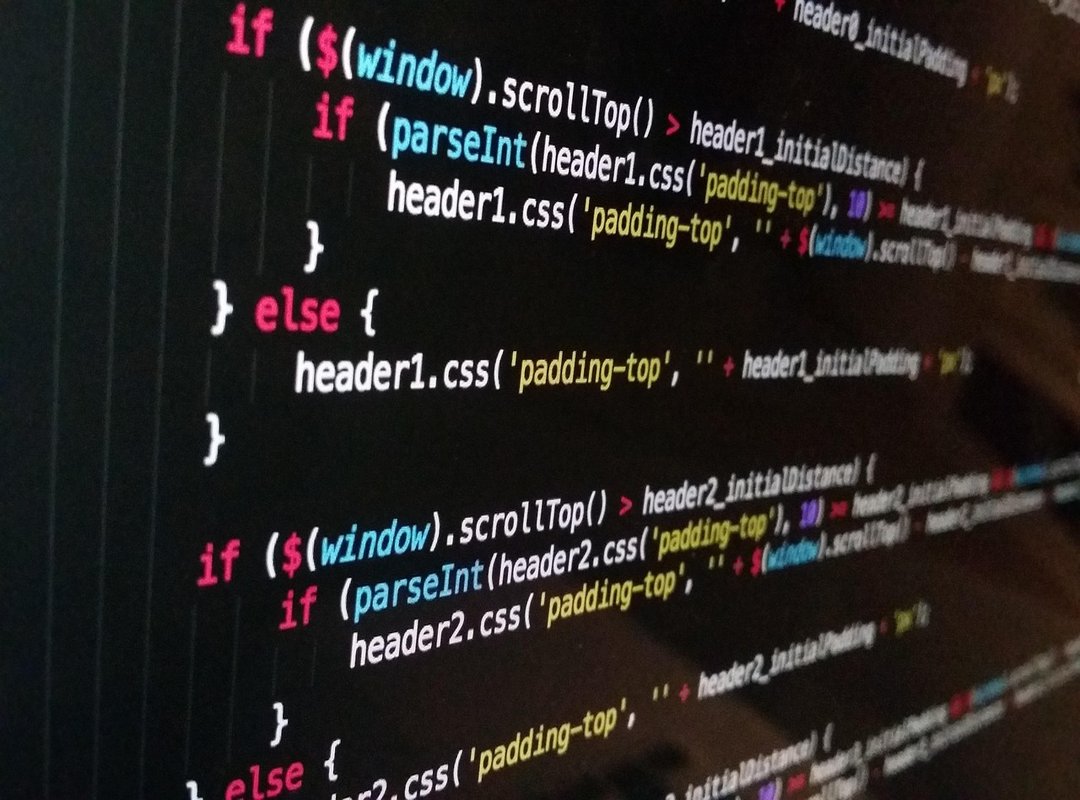
But when you’re ready to crank it up a notch, dedicated physics engines like Havok, Bullet Physics, or Box2D for 2D games are your go-tos. They’re like the secret sauce for advanced or custom needs.
So, what’s important? Rigid body dynamics, soft body physics for cloth or deformable objects, fluid simulations, and advanced collision systems. These are non-negotiable if you want your virtual world to feel authentic.
Picking the right tool depends on what you’re aiming for. Is your project small-scale, or a massive open world? Do you need perfect realism or just enough to get by?
And let’s not forget performance. Physics can be a resource hog, so optimizing graphics for performance is key. It’s a balancing act, but it pays off.
Ultimately, the right engine sets your game apart. Make your choice wisely.
Real-World Impact: Games That Nail Authentic Physics
Let’s talk about games that get realistic physics integration right. BeamNG.drive is a standout. Its soft-body vehicle deformation is a game-changer.
You crash, and the vehicle crumples realistically. It’s not just eye candy; it changes how you drive. You can’t just ram into things without consequences.
It forces you to think, to strategize.
Teardown is another gem. Voxel-based destruction means you can tear down walls, buildings, whatever. It’s like a LEGO set with dynamite.
The physics here lets you create chaos, and the game thrives on it. You plan your destruction, and it rewards creativity.
Kerbal Space Program, though, that’s on another level. Orbital mechanics are tough, but this game nails it. You learn by failing (a lot), and that’s the beauty.
It’s not just about launching rockets; it’s about the science behind it. You feel like a genuine rocket scientist.
And then there’s Grand Theft Auto V. The vehicle and ragdoll physics add a layer of unpredictability. You never know how a car chase will end.
It’s chaotic, but it’s fun. These games push what’s possible and set new standards. They’ve changed how we experience gaming.
Level Up Your Gaming Experience
Understanding authentic physics simulation is important for immersive gameplay. Frustrated by unrealistic digital worlds? You’re not alone. Realistic physics integration takes gaming beyond mere visuals.
It turns basic interactions into changing experiences that feel real.
Seek out games that prioritize authentic physics. They will raise your enjoyment and satisfaction. If you’re an aspiring developer, experiment with physics engines to create compelling titles.
Your creativity can shape the next generation of gaming.
Don’t let mediocre physics hold you back. Dive into the world of real physics. Start exploring now, and transform how you play.
 MildKettle serves as the lead technical strategist, specializing in the deep-dive analysis of game development techniques and hardware integration. With a meticulous eye for detail, MildKettle deconstructs complex innovations and multiplayer frameworks to provide readers with actionable data and high-level performance insights. By bridging the gap between raw code and gameplay execution, MildKettle ensures that the community has access to the technical expertise required to navigate the ever-evolving mechanics of modern titles.