

I’ve bought bad gaming headphones three times. Each time, I thought the specs looked good. They weren’t.
You’re here because you’re tired of guessing. Tired of wasting money on headphones that miss footsteps, distort explosions, or make your ears ache after an hour. Sound familiar?
This isn’t another list of “top 10” picks with no real advice.
It’s a straight talk guide to Which Gaming Headphones Should I Buy Dtrgsgaming. Based on what actually matters when you’re in the middle of a match.
Good headphones change how you play. Hear enemies before they see you. Feel the bass drop in the soundtrack.
Stay focused instead of fighting the gear.
I’ll show you what to test, what to ignore, and which type fits your setup (not) some generic review site’s idea of “best.”
By the end, you’ll know exactly what to buy.
No more second-guessing.
Wired or Wireless? Just Pick One.
I plug in my headphones and forget about them. No battery anxiety. No latency surprises.
Wired works. Always.
Which Gaming Headphones Should I Buy Dtrgsgaming? Start here: Dtrgsgaming.
You’re playing ranked Valorant. Every millisecond matters. Wired wins.
Hands down.
You’re on the couch with a PS5 controller, sprawled out, snack within reach. Wireless makes sense. But check the battery life first.
Some last 12 hours. Others die mid-game. (I’ve been there.)
PC desk setups? Wired cuts clutter. Fewer dongles.
Less USB traffic. Cleaner signal.
Living room with a console? Wireless gives space. No tripping over cables.
Unless your dog chews them. (Mine did.)
Latency used to be bad. Not anymore. if you get a good wireless model. But “good” means $100+.
Cheaper wireless? Expect delay.
No pairing.
Wired headphones cost less. Sound better for the same price. No charging.
You’re not building a studio. You’re gaming. So ask yourself: Do you need freedom more than precision?
If yes (go) wireless. But read reviews. Not just specs.
If no (grab) wired. Plug it in. Play.
Sound Quality Isn’t Just Hype
Sound quality means you hear the crunch of gravel under boots. Not just noise. Detail.
I mean clear highs so gun reloads snap. Balanced mids so voices don’t sound muffled. Bass that hits (but) doesn’t drown out footsteps.
You’re not listening to music. You’re listening for threats.
Surround sound? Virtual surround is software trickery. It’s okay.
But true surround (like 7.1 with discrete channels) gives you real direction. Left footstep? Left ear.
Behind you? It actually feels behind you. (Not magic (physics.))
In FPS games, weak mids hide enemy breath or clickers. In open-world games, flat bass makes thunder feel like a sigh.
Driver size matters less than tuning. A 40mm driver can outplay a 50mm one if it’s built right.
Frequency response? Just means the range of sounds it can play (from) deep rumbles (20Hz) to glass-shattering highs (20,000Hz). Most good gaming headsets cover that.
Many cheap ones cut corners at both ends.
You ever miss a flank because your headset blurred two footsteps into one? Yeah. That’s bad tuning.
Which Gaming Headphones Should I Buy Dtrgsgaming (ask) that after you test them with a free FPS demo. Not after reading specs.
Real-world test: Play Valorant with eyes closed. Can you tell if someone’s crouching or walking? If not.
Keep looking.
Good sound doesn’t shout. It tells you things before they happen.
Comfort Is Not Optional
I sit for hours. My neck hurts if the headset digs in. My ears ache if the clamping force is too tight.
You feel this too.
Headband padding matters. Memory foam molds to your skull. Velour breathes.
Cheap plastic? It’s a headache waiting to happen.
Ear cups come in two types. Over-ear wraps around your ear. Better isolation.
Less fatigue. On-ear presses down. Lighter, but squishes your ear all session.
(Not fun after three hours.)
Weight is real. A 300g headset feels fine at first. At hour five?
It’s dragging your head down. Look for under 280g if you game long.
Build quality isn’t about looks. It’s about surviving drops, cable yanks, and daily wear. Plastic that cracks in six months?
That’s not saving money. It’s wasting it.
Which Gaming Headphones Should I Buy Dtrgsgaming? I asked that before buying my last pair. Turns out, comfort and build are the top two things people ignore until it’s too late.
You want memory foam. Over-ear design. Under 280g.
Metal or reinforced hinges (not) just glue and hope.
If it hurts after 90 minutes, it fails. Full stop.
Mic Quality Makes or Breaks Your Squad Chat
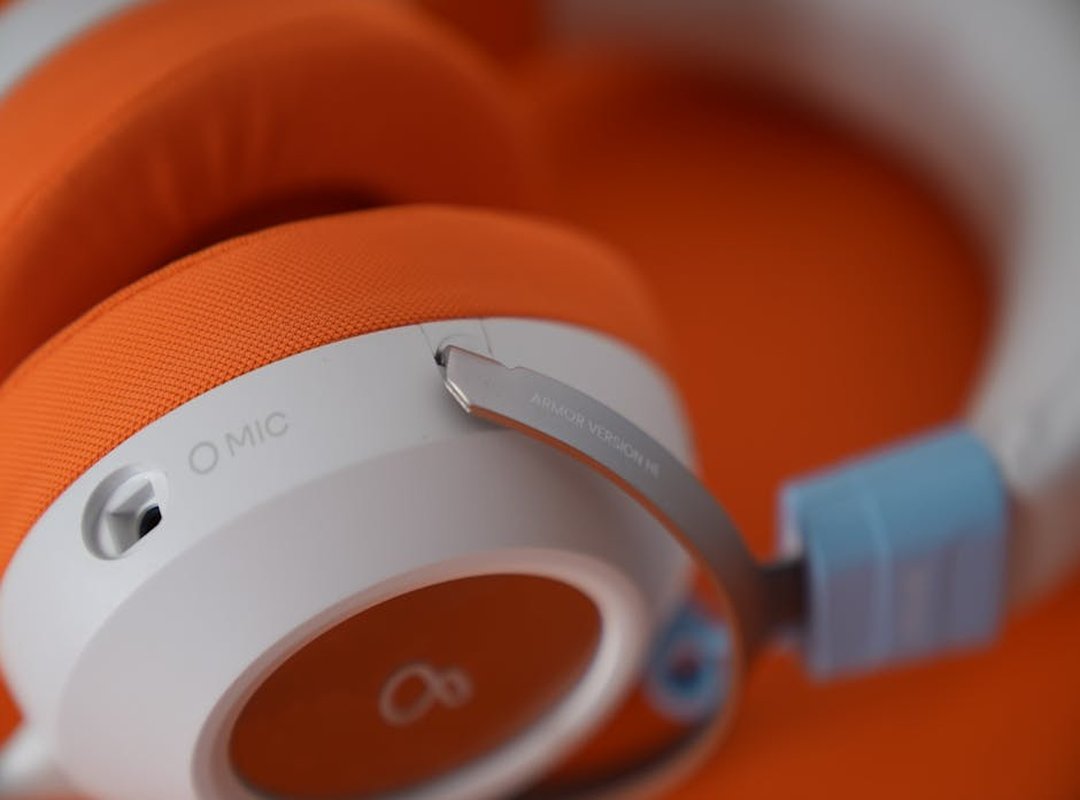
I’ve muted myself mid-fight because my mic picked up my dog barking, my AC kicking on, and my neighbor drilling next door.
You know that feeling.
A good mic isn’t optional for team games. It’s how your callouts land. Or don’t.
Detachable mics let you swap or upgrade later. Retractable ones tuck away when not in use (and somehow always get bent). Flip-to-mute is fast.
But I’ve flipped mine by accident while adjusting my headset.
Noise cancellation matters. Not the fancy kind that sounds like you’re underwater. The kind that cuts background hum without flattening your voice.
Some headsets sound great for music but turn your voice into a distant robot. Which Gaming Headphones Should I Buy Dtrgsgaming? Don’t just skim the specs.
Read reviews that test mic performance. Specifically. With real rooms, real fans, real chaos.
If the mic picks up your keyboard clatter louder than your voice, you’re already losing.
Ask yourself: does my squad hear me (or) just the noise around me?
Test it before you commit. Or mute yourself and pray. (Don’t pray.)
Budget and Compatibility: Real Talk
I set my headphone budget before I even look at specs.
You should too.
Entry-level? Expect basic sound and build. Mid-range gives you real mic clarity and comfort for long sessions.
Premium? Only if you care about every tiny detail. And have the cash to burn.
You’re probably wondering: Will this work with my Xbox? My Switch? My PC?
Check the box.
Or the product page. USB headsets often skip Xbox. Bluetooth usually skips PlayStation. 3.5mm works everywhere.
Except when it doesn’t (looking at you, newer Xbox controllers).
Proprietary dongles? They give low latency (but) lock you into one platform.
Which Gaming Headphones Should I Buy Dtrgsgaming? That’s where Dtrgsgaming helps cut through the noise. No fluff.
Just what plugs in and what actually sounds good.
You don’t need $200 headphones to hear footsteps. You do need ones that won’t die after three months. Test compatibility before you buy.
Not after.
Your Headphones Should Feel Like an Extension of You
I picked my last pair after blowing $80 on something that cracked in three weeks. You don’t want that. You want sound that hits before the enemy does.
You want a mic that doesn’t make you sound like you’re calling from a tunnel. You want to wear them for six hours and forget they’re there.
Wired or wireless? Sound or comfort? Mic quality or battery life? Which Gaming Headphones Should I Buy Dtrgsgaming.
That question isn’t about specs. It’s about what you actually do when you play.
Stop guessing. Stop reading five more reviews. Pick one thing that’s been bugging you (lag,) fatigue, muffled voice chat.
And fix that first.
Go try them on today. Not tomorrow. Not after “just one more match.”
Now.
 MildKettle serves as the lead technical strategist, specializing in the deep-dive analysis of game development techniques and hardware integration. With a meticulous eye for detail, MildKettle deconstructs complex innovations and multiplayer frameworks to provide readers with actionable data and high-level performance insights. By bridging the gap between raw code and gameplay execution, MildKettle ensures that the community has access to the technical expertise required to navigate the ever-evolving mechanics of modern titles.