
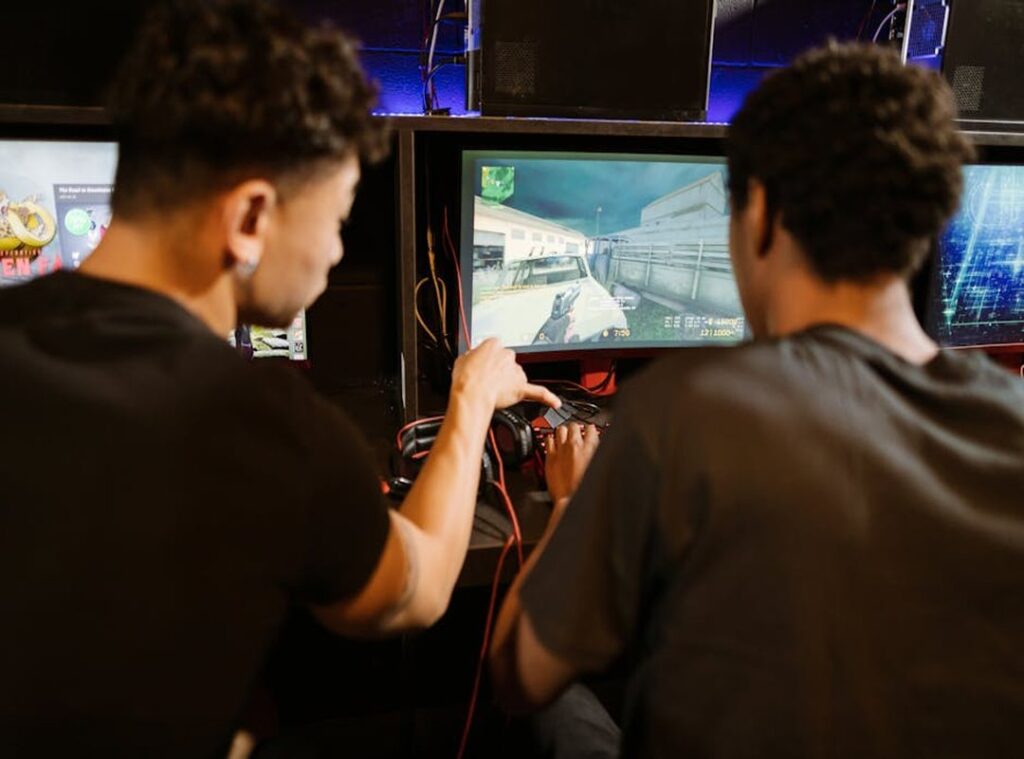
I remember my first match in Valorant.
I died six times in under two minutes.
You’re here because you clicked play, got confused, and closed the game halfway through round one.
That’s normal.
This isn’t a polished esports tutorial.
It’s what I wish someone had told me before I wasted hours guessing how abilities work or why my shots missed every time.
You don’t need jargon. You need to know which agent won’t make you quit after five minutes. Which map is actually beginner-friendly (spoiler: it’s not Ascent).
How to tell if your team is feeding. Or if you’re the one feeding.
Valorant for Beginners Vrstgameplay means skipping theorycrafting and going straight to what keeps you alive longer than ten seconds.
I’ll show you how to move, shoot, use one ability well, and read the minimap without squinting.
No fluff. No hype. Just what works.
By the end, you’ll load into your first real match and feel ready. Not perfect, but ready.
What Valorant Actually Is
It’s 5v5. Attackers versus Defenders. That’s it.
You’re not just shooting. You’re planting a Spike (or) stopping someone from planting it.
Rounds reset. Win a round, you earn credits. Buy better guns.
If you’re on Attack, get that Spike down and let it blow. If you’re on Defense, stop the plant or defuse it before time runs out.
Buy abilities. Lose? You scrape by next round with whatever’s left.
This isn’t pure aim training like CS:GO. But it’s not hero spam like Overwatch either. You need clean shots and smart ability use.
Some characters flash. Some heal. Some wall up.
But none of that matters if your crosshair drifts.
You learn fast or you fall behind.
The economy system forces real choices. Do you save for an Operator next round? Or go full buy now and risk losing everything?
Valorant for Beginners Vrstgameplay starts right here. No fluff, no gatekeeping. learn more
You don’t need lore to play. You need positioning. Timing.
And the guts to peek when it counts.
What’s your first instinct when you hear “Spike planted”? Run in? Call it out?
Or already be rotating?
Pick Your First Agent Like You’re Picking a Tool
Agents are characters. Not skins. Not cosmetics.
They’re your role on the map.
I played Phoenix first. He throws fire, heals himself, and resets his ability if he kills someone. You don’t need teammates to feel useful.
(That’s rare for new players.)
Controllers block sightlines with smokes and flashes. They control space (not) people. Jett’s fast but fragile.
Brimstone drops nades from the sky. Neither is beginner-friendly right away.
Initiators gather info. They stun, blind, or breach. Sova’s recon bolt tells you what’s behind a wall.
But aiming it? That takes practice.
Sentinels hold ground. Sage slows enemies, freezes them, and revives dead friends. She’s forgiving.
You can mess up and still help.
Phoenix and Sage are solid starting points. Not because they’re weak (because) their abilities make sense fast.
You’ll see “Duelist” or “Sentinel” in the agent select screen. That’s their role. Learn it before you memorize cooldowns.
Try one agent for five rounds. Then switch. Don’t overthink it.
The practice range exists for a reason. Use it. Fire every ability.
See what sticks.
Valorant for Beginners Vrstgameplay starts here. Not with meta talk, but with what feels good in your hands.
If you die three times in a row playing Raze, stop. Try Cypher. Or just sit back and watch how Sage walls off a site.
You’ll know which agent fits when you stop checking the ability icons and start reacting.
Gunplay Is Everything
I died 12 times in my first ranked match. All headshots. All from people who knew where to aim.
And when.
Abilities are fun. But if you miss your shots, they don’t matter. Headshots kill faster.
They win rounds. They win games.
You earn credits by winning rounds, killing enemies, or just surviving. Pistol Round? You buy a Ghost or Sheriff.
Eco Round? Skip the rifle (just) get a Sheriff or maybe nothing. Buy Round?
That’s when you drop 3000+ on a Vandal or Phantom.
Vandal and Phantom feel similar (but) the Vandal kicks harder and rewards precision. Spectre is forgiving up close. Ghost is cheap and deadly if you land two shots.
Tap fire at long range. One shot. Pause.
Aim again. Burst fire mid-range. Three shots, then reset.
Recoil pulls up and right. Pull down hard to stay on target. (Yes, even when it feels weird.)
I spent three hours in the practice range before my first win. Spray patterns are real. They’re different for every gun.
You have to see them yourself.
Want more basics like this? The Gameplay for beginners vrstgameplay page walks through exactly how to build habits (not) just memorize tips.
No magic. Just time. And aiming.
Always aiming.
Map Smarts Beat Raw Aim

I used to die at B site every round.
Then I opened the map tab and looked.
Know where doors open. Know where smoke blocks vision. Know where enemies wait for you to peek.
You don’t need to memorize every corner. Just the spots people actually fight.
Check the minimap every few seconds. Not once per round. Every few seconds.
See your teammate’s icon move toward A? Good. See it vanish near B stairs?
That’s your cue.
Say what you see. Not “enemy spotted.” Say “one A short.”
Say what you’re doing. Not “I’m throwing.” Say “smoking B main.”
Ask for help if you’re trapped. “Need push on catwalk” works. “Help?” doesn’t.
This is the core of Valorant for Beginners Vrstgameplay. Not flashy plays. Not perfect aim.
Pings exist for a reason. Use them if voice chat feels weird at first. A single enemy ping at Heaven tells your team more than silence ever will.
Just knowing where things are (and) saying it out loud.
You’re not alone in the fog. But you act like it sometimes. Why?
First Games Should Feel Good
I sucked at Valorant for weeks.
And it was fine.
You won’t be good right away.
That’s not a flaw. It’s how learning works.
Pick one agent. Maybe two. Stick with a pistol and a rifle.
Forget the rest until those feel natural.
Play with friends if you can. Voice chat fixes more mistakes than any guide. Silent solo queues?
Harder. Slower. Less fun.
When you die, ask why. Not “why am I trash?” (just) what happened?
Then try again. Calmly.
It’s not about winning your first ten games. It’s about recognizing a spike site. Hearing footsteps before you see them.
Knowing when to hold instead of pushing.
This is how you build real muscle memory.
Not by memorizing maps. But by reacting in them.
If your gear feels off, check your setup. A bad mouse pad kills aim consistency fast. Which Gaming Mouse Pad to Chooose Vrstgameplay is worth reading before you blame yourself.
Valorant for Beginners Vrstgameplay starts here. Not with perfection. With patience.
Your First Match Awaits
I remember my first Valorant match.
Felt like running blindfolded into a gunfight.
You’re past that now. You know agents. You understand gunplay.
You get why teamwork isn’t optional.
That confusion? Gone. The frustration?
Real (but) no longer in charge.
This is where Valorant for Beginners Vrstgameplay stops being theory and starts being yours.
So stop reading. Open the game. Pick an agent you like (not) the one everyone says is “meta.”
Jump in. Lose a round. Then win the next.
You don’t need perfect aim to start.
You just need to start.
Go play.
Now.
 MildKettle serves as the lead technical strategist, specializing in the deep-dive analysis of game development techniques and hardware integration. With a meticulous eye for detail, MildKettle deconstructs complex innovations and multiplayer frameworks to provide readers with actionable data and high-level performance insights. By bridging the gap between raw code and gameplay execution, MildKettle ensures that the community has access to the technical expertise required to navigate the ever-evolving mechanics of modern titles.