
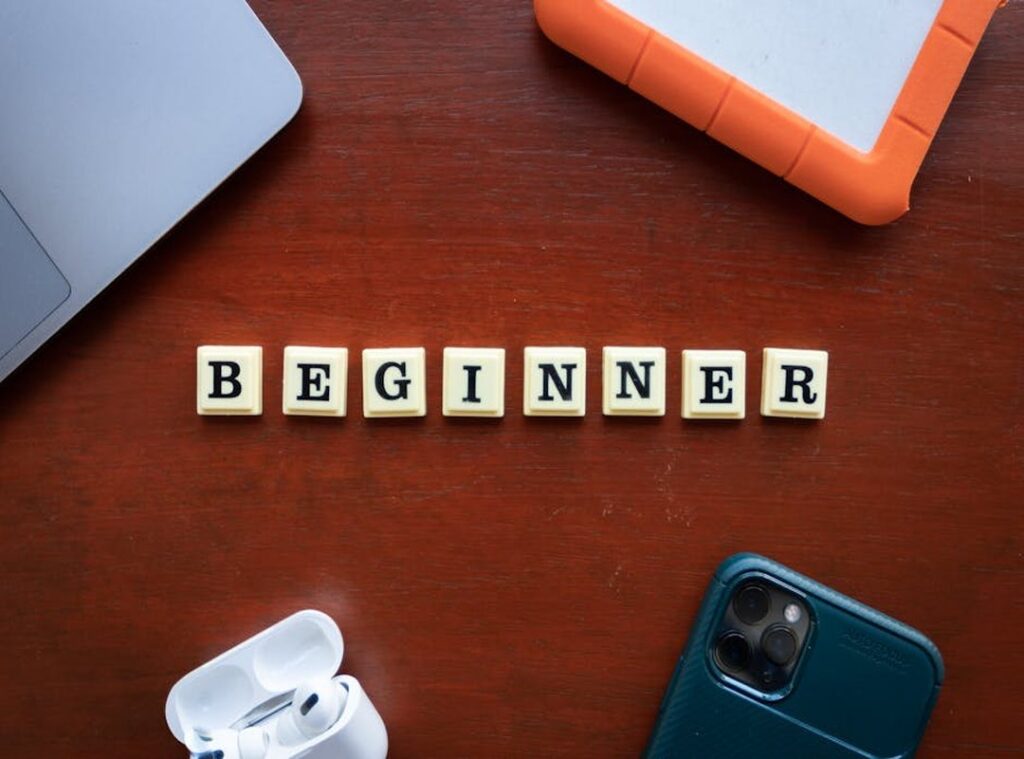
I tried VR for the first time and immediately walked into a bookshelf.
You did too. Or you’re about to.
This isn’t some glossy tech brochure. It’s what I wish someone told me before my headset made me dizzy, my controller vanished behind the couch, and I spent twenty minutes figuring out how to sit down in a game.
You’re here because you want real answers (not) hype. Not jargon. Just how to start playing without feeling stupid.
Gameplay for Beginners Vrstgameplay means knowing where to stand, when to blink, and why your stomach flips if you sprint in circles.
I’ve set up three different VR systems in three different apartments. I’ve watched friends quit after five minutes (and talked them back in). I’ve rebooted more base stations than I care to admit.
So yeah (I) get it.
Is your space big enough? Do you need special shoes? Why does everyone say “just relax” like that fixes motion sickness?
We’ll cover all of it. No fluff. No assumptions.
Just what works. And what doesn’t.
By the end, you’ll know how to launch a game, move without tripping, and actually enjoy your first hour instead of staring at the ceiling wondering what went wrong.
Set Up Your VR Space Like You Mean It
I clear everything first. Every chair. Every rug edge.
Every cat who thinks the play space is their territory. (They’re wrong.)
You need room to swing your arms without smacking a lamp. Or your head.
That’s why the Guardian system matters. It’s not optional. It’s your safety net.
I draw mine tight. Just big enough for me to move, not so big that I wander into walls. Meta Quest’s Guardian or SteamVR’s Chaperone?
Same idea. You set it once. You test it twice.
You respect it always.
Lighting helps tracking. But don’t blast fluorescent lights in your face. Natural light works.
Soft overhead light works. A single lamp in the corner? Not great.
Shadows confuse the headset.
Wear clothes you can squat in. No belts dragging. No hoodies snagging on controllers.
And if you’re new? Start with Gameplay for Beginners Vrstgameplay. It walks you through the first ten minutes without yelling.
No one wants to trip over a charging cable. I’ve done it. You’ll do it too.
Unless you move the cable.
VR Controllers: What Each Button Actually Does
I held my first VR controller and had no idea what half the buttons were for.
You probably felt the same.
The joystick moves you. Not your head (your) body. Push it forward, you walk.
Pull back, you reverse. It’s not steering. It’s walking.
(Unless you’re in a game that lets you fly. Then yeah, it’s steering.)
The trigger pulls things toward you. Shoot. Grab.
Press a button on a wall. It’s your index finger’s job. Simple.
The grip button? That’s your whole hand closing. Pick up a coffee cup.
Squeeze a stress ball. Hold a sword. Don’t overthink it.
Grip = grab.
Face buttons. A, B, X, Y or whatever your headset calls them (are) shortcuts. Jump.
Crouch. Toggle flashlight. Open inventory.
They change per game. Check the tutorial. Or just press one and see what happens.
(Spoiler: nothing breaks.)
Pointing in VR is just aiming your controller like a laser pointer. That red dot? That’s your cursor.
Click the trigger to select.
Haptics vibrate when you punch a wall. When you drop a box. When you fire a shotgun.
It’s not fancy. It’s just feedback. Your brain needs it to believe your hand is in there.
This is the core of Gameplay for Beginners Vrstgameplay. No jargon. No fluff.
Just push, pull, grip, point, click.
You don’t need muscle memory yet.
Just try one thing at a time.
What’s the first thing you tried to pick up? I bet it was a rock. Or a gun.
(Everyone grabs the gun first.)
Teleport or Walk? Your Stomach Decides

I point. I click. I blink to a new spot.
That’s teleportation.
It feels like fast travel in Star Trek (no) walking, no physics, just instant repositioning.
You get less motion sickness. (Your brain doesn’t freak out when your eyes see movement but your body feels still.)
But it breaks immersion. You’re not in the world (you’re) hopping around it like a chess piece.
Then there’s smooth locomotion. I push the joystick and my avatar walks (or) sprints. Like it’s real.
It’s how Half-Life: Alyx pulls you in. How Beat Saber makes you feel like you’re really dodging lasers.
But your stomach might stage a revolt. (Especially if you turn slowly while moving.)
So start with teleportation. Every beginner should.
Try smooth locomotion later (only) after your body says okay.
Most games let you tweak comfort settings. Snap turning cuts nausea. Vignettes soften your peripheral vision during movement.
Use them.
If you’re learning VR movement for the first time, check out the Tutorial for valorant vrstgameplay. It covers how movement choices affect reaction time and spatial awareness.
You don’t need fancy terms. Just try both.
Which one made you pause mid-game and go whoa?
Which one made you stop and take off the headset?
That’s your answer. Not mine.
VR Feels Weird at First (And That’s Fine)
I started with a game that taught me how to grab things. Not lasers. Not grenades.
Just a coffee cup.
You will feel weird. Your brain will argue with your eyes. That’s normal.
It shuts up after a few sessions.
Start simple. Skip the rollercoaster shooters. Try something slow.
Something that shows you what to do instead of yelling at you to dodge.
Take breaks. Every 20 minutes. Seriously.
Set a timer. Your stomach will thank you. (Mine once revolted during a five-minute tutorial.)
Read every prompt. Even the boring ones. VR controls change like weather.
One game uses your thumb. Another wants your wrist twist. You won’t guess it.
You’re not broken if you sway, blink hard, or pause to breathe. I did all three in my first hour.
Comfort settings exist for a reason. Turn them on. Motion smoothing?
On. Snap turning? Yes.
Lower field of view? Do it.
This isn’t about being tough. It’s about building muscle memory without puking.
Gameplay for Beginners Vrstgameplay means showing up curious. Not perfect.
If you want to jump into something fast but still friendly, check out Valorant for Beginners Vrstgameplay.
Your First VR Game Starts Now
I remember my first time. Staring at the headset like it might bite me. You felt that too, didn’t you?
That rush of confusion when the world shifts and your hands don’t line up right. It’s not broken. You’re not slow.
It’s just new.
You already know what to do next. You’ve got the setup basics. You know how to move without puking.
You understand your controllers. That’s more than most people have after day one.
Gameplay for Beginners Vrstgameplay isn’t about perfection. It’s about showing up. Pressing play.
Letting yourself fumble for five minutes. Then grinning when you finally grab that floating orb.
VR doesn’t wait for confidence.
It waits for you to hit start.
So stop reading. Unbox the headset. Plug it in.
Stand in the middle of the room.
Do it now. Before your brain talks you out of it again.
Your body remembers faster than your thoughts do.
Trust that.
Go play.
 MildKettle serves as the lead technical strategist, specializing in the deep-dive analysis of game development techniques and hardware integration. With a meticulous eye for detail, MildKettle deconstructs complex innovations and multiplayer frameworks to provide readers with actionable data and high-level performance insights. By bridging the gap between raw code and gameplay execution, MildKettle ensures that the community has access to the technical expertise required to navigate the ever-evolving mechanics of modern titles.