
I’ve been tracking what players are actually spending time on, and the data tells a different story than what you see in headlines.
You want to know what video game is popular now bfncgaming. Fair question. The answer isn’t just one game though.
The gaming world moves fast. What’s hot today wasn’t even on your radar three months ago. And half the games getting media attention? Players aren’t actually playing them.
I monitor player behavior patterns and market data constantly. That’s how I know which trends have staying power and which ones will be gone by next quarter.
This article breaks down what’s actually trending right now. I’m talking about the games people are playing, the design choices that are working, and the tech that’s changing how we game.
You’ll see which movements matter and which ones are just noise. No hype. No guessing about what might happen next year.
Just the current state of play and what it means if you care about where gaming is going.
Trend #1: The Rise of ‘Cozy Gaming’ as a Powerhouse Genre
You know what I find interesting?
Five years ago, if you told investors that farming simulators would outperform some AAA shooters, they’d laugh you out of the room.
Not anymore.
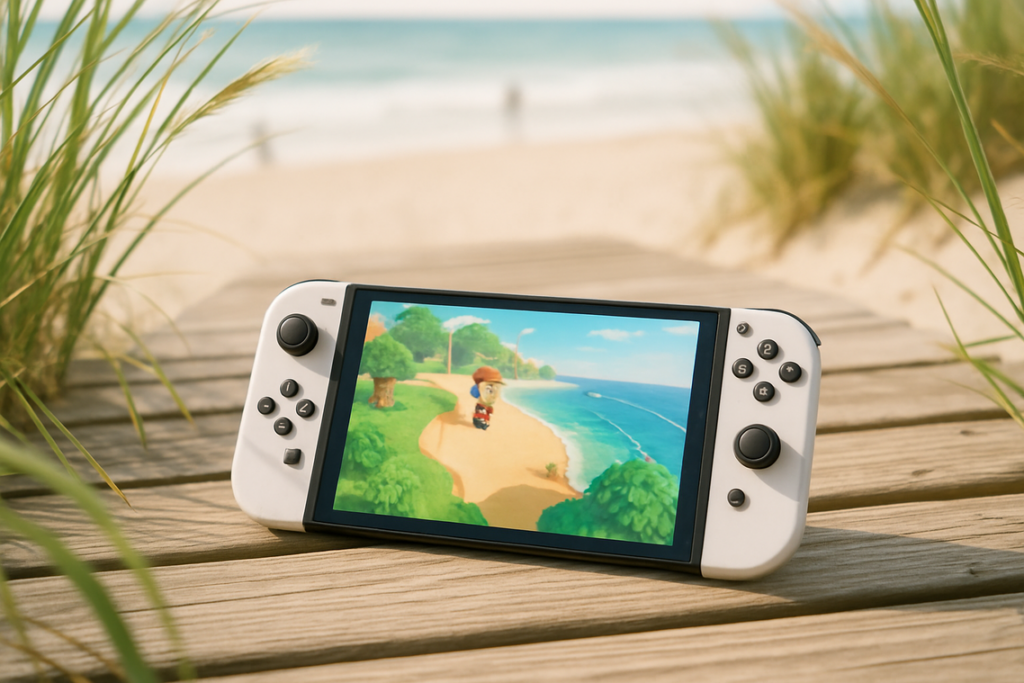
Cozy games (think farming, crafting, building relationships instead of blowing things up) have become a serious market force. We’re talking hundreds of millions in revenue from titles that let you water virtual plants and chat with cartoon villagers.
Why is this happening?
People are burned out. After spending eight hours dealing with work stress, the last thing many players want is another high-intensity experience where they’re getting yelled at by teenagers in a competitive lobby.
They want to relax. Build a cute house. Grow some digital tomatoes.
I’ll be honest. I used to think this was just a passing trend. Something that would fade once the pandemic ended and people went back to their normal routines.
I was wrong.
Games like Stardew Valley have sold over 30 million copies. Animal Crossing: New Horizons moved 45 million units. Palia is pulling in players who haven’t touched a video game in years.
The mechanics are simple but sticky. You customize your space. You build at your own pace. There’s no game over screen (which is refreshing when you think about it).
What really matters for investors? This genre is bringing in demographics that traditional gaming companies ignored for decades. Older players. More women. People who don’t identify as “gamers” but will happily spend 100 hours decorating a virtual café.
That’s a market expansion worth paying attention to.
Trend #2: Generative AI’s Practical Impact on Game Development
Let me cut through the noise for a second.
Everyone’s talking about AI in gaming. But most of what you hear is either pure hype or complete doom-saying.
The reality? It’s already changing how games get made. Not in some distant future. Right now.
Here’s what’s actually happening on the ground.
NPCs That Don’t Sound Like Robots
You know that feeling when you talk to an NPC and they repeat the same three lines? That’s changing.
Studios are using AI to generate dialogue that responds to what you actually do in the game. Not just pre-scripted paths. Real variation based on your choices.
Take a game like Baldur’s Gate 3 (which dominated 2023). While it used traditional writing, newer projects are experimenting with AI to create that same depth without needing 17,000 pages of dialogue.
The difference is noticeable. Characters feel less like they’re reading from a script.
Procedural Generation on Steroids
Procedural generation isn’t new. Minecraft proved that years ago.
But AI takes it further. Instead of random blocks, you get worlds that follow actual design principles. Terrain that makes sense. Dungeons that feel hand-crafted even when they’re not.
Smaller studios can now build massive open worlds without needing 200 artists. That’s a game changer (pun intended).
The Speed Factor
Here’s where it gets interesting for development.
Creating 3D assets used to take hours per object. Now? AI tools can generate base models in minutes. Artists refine them instead of building from scratch.
What this means:
- Faster prototyping
- More iteration time
- Smaller teams punching above their weight
I’ve seen indie studios at bfncgaming events show off work that looks AAA. Five years ago, that would’ve been impossible without serious funding.
The Player Experience Problem
But let’s address the elephant in the room.
Some of this AI-generated content feels SOULLESS. You can tell when a studio just hit “generate” and called it done.
The best implementations? They use AI as a tool, not a replacement. Human designers still guide the vision. AI just handles the grunt work.
When done right, you get more immersive worlds. When done wrong, everything feels generic and forgettable.
Pro tip: Pay attention to how studios talk about their AI use. If they’re vague about it, that’s usually a red flag.
The studios doing it well are specific about where AI helps and where human creativity still drives the experience.
Trend #3: The Evolution of Monetization – Life After the Loot Box

Remember when every game had loot boxes?
You’d spend real money for a random chance at something you actually wanted. It felt like gambling because, well, it basically was.
Players hated it. Regulators started asking questions. And the whole model started to crumble under its own weight.
Now we’re seeing something different.
Some people argue that any monetization beyond the initial purchase price ruins games. They want to go back to the days when you bought a game once and got everything. I understand that perspective. There’s something pure about it.
But here’s what that view misses.
Live-service games cost money to run. Servers, updates, new content, community management (none of that’s free). The old model doesn’t work when you’re supporting a game for years after launch.
What we’re seeing now is actually better than what came before.
The battle pass became the new standard for a reason. You know exactly what you’re getting. You can see the entire progression path before you spend a dollar. Games like Fortnite and Apex Legends proved this model works for both players and developers.
It’s pretty straightforward. You pay once per season and you unlock rewards as you play. No randomness. No surprise mechanics.
Direct-purchase cosmetics took over as the other main revenue source. Instead of gambling for a skin you want, you just buy it. The focus shifted to quality over quantity. Developers started treating cosmetic items like actual art pieces.
You can check out what video game is popular now bfncgaming to see how these models play out in current titles.
The difference between now and five years ago? Players feel respected. They’re not being tricked into spending money on random chances. They get clear value for what they pay.
According to bfncgaming gaming info from befitnatic, the most successful games now prioritize player-friendly monetization. They make money by keeping people happy and engaged, not by exploiting psychological triggers.
The pay-to-win model is mostly dead in competitive games. Nobody wants to lose because someone spent more money. Cosmetics let players express themselves without breaking game balance.
This shift happened because players demanded it and developers listened (eventually). The games making the most money today are the ones that treat their players fairly.
Trend #4: Premium Remakes and the Monetization of Nostalgia
You’ve probably noticed something.
Every time you scroll through your gaming feed, there’s another remake announcement. Resident Evil 4. Dead Space. The Last of Us Part I.
And I’ll be honest with you. At first, I was skeptical.
Some people argue this is just lazy game development. They say studios are playing it safe instead of taking risks on new ideas. That we’re stuck in this endless loop of recycling the same games we played 15 or 20 years ago.
I get where they’re coming from. It does feel like we’re drowning in remakes sometimes.
But here’s my take.
These aren’t just HD remasters where they slap on some better textures and call it a day. We’re talking about games rebuilt from scratch. New engines. Redesigned mechanics. The works.
Take Resident Evil 4. Capcom didn’t just polish up the 2005 version. They rethought the entire combat system, modernized the controls, and made it feel like a 2023 game while keeping what made the original special.
That’s hard to pull off.
Studios are betting big on these projects because the math works. You’ve got a built-in audience who loved the original. You can introduce the story to younger gamers who never played it. And if you do it right (which is a big if), you get both groups buying in.
The challenge? Walking that tightrope between faithful and fresh.
Change too much and the original fans revolt. Change too little and new players wonder why they should care about a game that feels dated.
Dead Space nailed this balance. They kept the atmosphere and horror that made the 2008 game iconic but added quality-of-life improvements that modern gamers expect. No loading screens between areas. Better weapon handling. Improved zero-gravity sections.
The market’s responding too. These premium remakes are selling millions of copies and getting critical praise. Resident Evil 2 moved over 13 million units according to Capcom’s sales data.
That’s not nostalgia bait. That’s proof people will pay full price for well-executed remakes.
Here’s what I think is really happening with video gaming bfncgaming right now.
We’re in this weird spot where game development costs have exploded. A new AAA IP can cost $200 million and still flop. But a remake? You already know there’s demand. The story works. The characters resonate.
It’s risk mitigation disguised as nostalgia.
And honestly? I’m okay with that. If it means we get high-quality versions of games that deserve modern treatment, I’ll take it over another forgettable live-service game that shuts down in 18 months.
The real test is whether studios can keep delivering quality. Because the moment these remakes start feeling like cash grabs, that goodwill evaporates fast.
What These Trends Mean for the Future of Gaming
We’ve covered the four key pillars shaping today’s gaming world.
The rise of cozy games. The practical application of AI. Evolved monetization. The power of premium remakes.
Here’s the main takeaway: The industry is diversifying. You’re getting a wider range of experiences while developers refine their business models to be more player-centric.
I’ve watched this shift happen in real time. It’s not just about graphics anymore or chasing the next big battle royale.
What video game is popular now bfncgaming reflects these changes. Players want variety and they want to feel respected.
Looking ahead, you’ll see more personalized experiences. Games will be more immersive and accessible to everyone (not just hardcore players with endless hours to grind).
These aren’t temporary fads. They’re foundational shifts that will influence the next generation of games you’ll be playing.
Stay informed. Watch how developers respond to these trends. The games coming in the next few years will look different because of what’s happening right now.
Your move is simple: Keep an eye on these patterns and see how they show up in the titles you care about.
 cole80 founded BFNC Gaming as a premier destination for enthusiasts seeking a deeper understanding of the digital landscape. With a focus on the intersection of technical skill and industry innovation, cole80 has curated a platform that explores everything from the intricate frame data of fighting game mechanics to the complex world of game development techniques. Under his leadership, the site serves as an essential resource for players looking to master competitive multiplayer strategies while staying ahead of the latest global gaming trends.