

I’ve been covering gaming news for years, and this month hit different.
You’re probably drowning in announcements right now. New releases, studio drama, surprise delays. It’s a lot.
Here’s the thing: most of it doesn’t matter. But some of it will change what you’re playing for the rest of the year.
I spent the past few weeks sorting through everything that happened in gaming. Not just reading headlines. Actually digging into what these stories mean for you.
This article breaks down the gaming news that actually matters right now. I’ll show you which trends are worth paying attention to and which ones are just noise.
At BFNC Gaming, we don’t just report what happened. We analyze why it matters and what comes next.
You’ll learn which releases are living up to the hype, which studios are making moves that will affect your favorite franchises, and what industry shifts are going to change how you game.
No fluff. Just the stories that will shape your gaming experience moving forward.
The Great Consolidation: What the Latest Studio Acquisitions Mean for Gamers
I remember the day Microsoft announced they were buying Activision Blizzard for $69 billion.
I was mid-game when the notification popped up. Had to pause and just stare at my screen for a minute.
The biggest gaming acquisition in history. And honestly? I didn’t know how to feel about it.
Here’s what happened. Microsoft now owns Call of Duty, World of Warcraft, and Overwatch. That’s not just big. That’s seismic.
The immediate question everyone asked was simple. Will these games stay on PlayStation?
Microsoft says yes (for now). They committed to keeping Call of Duty on PlayStation through at least 2033. But we’ve seen these promises before. Companies change their minds when the numbers make sense.
Then there’s Game Pass. You can bet these titles will land there day one. That’s great if you’re an Xbox player. Less great if you’re not.
But let’s talk about what really concerns me.
This consolidation trend isn’t slowing down. Sony grabbed Bungie. Embracer Group went on a buying spree. Take-Two bought Zynga for $12.7 billion.
Some people argue this is good for gaming. They say smaller studios get the resources they need to make better games. More budget means bigger teams and longer development cycles.
I’ve worked with indie developers who would kill for that kind of backing.
But here’s the counterpoint. When three or four companies own everything, where does the creative risk go? (AAA publishers already play it safe enough as it is.)
Look at what happened after EA bought BioWare. Or when Activision absorbed Blizzard years ago. The games changed. Not always for the better.
I’m not saying consolidation kills creativity automatically. But it changes the equation. Shareholders want returns. That usually means sequels over new IP.
My take on the Microsoft-Activision deal?
It’s a mixed bag. Game Pass subscribers win in the short term. PlayStation players probably lose exclusives down the road despite the promises. And the industry as a whole? We’re watching competition shrink while barriers to entry grow.
For more analysis on how these shifts affect what we play, check out gaming news bfncgaming coverage.
The real question isn’t whether this specific deal is good or bad. It’s what happens when the next one drops. And the one after that.
Because they’re coming.
Hardware Wars 2.0: The Mid-Generation Console Refresh Heats Up
You’ve probably seen the leaks.
PS5 Pro specs floating around Reddit. Whispers about Nintendo’s next move. Steam Deck competitors popping up every other month.
And if you bought a console in the last year, you’re probably wondering if you just got screwed.
I’ve been tracking these mid-gen refreshes since the Xbox One X days. Here’s what most gaming news bfncgaming outlets won’t tell you: the specs don’t matter nearly as much as you think.
Yeah, I said it.
Before you close this tab, hear me out. I’m not saying performance doesn’t matter. But the way companies market these upgrades? It’s designed to make you feel like your current hardware is suddenly obsolete.
The PS5 Pro rumors point to better ray tracing and native 4K at 60fps. Sounds great on paper. But here’s the reality most reviewers skip: you need a high-end TV to even notice the difference. And I mean a really good one.
That “4K/60fps with ray tracing” spec? It means smoother reflections and lighting. You’ll see puddles that look slightly more realistic. Glass surfaces that reflect better. Is that worth $600 or more?
For most people, no.
Now, some folks will argue that early adopters always get the short end. That waiting is for suckers because you miss out on years of gaming. They’re not wrong about the waiting game being endless.
But think about it differently.
The standard PS5 runs most games beautifully right now. Same with the Xbox Series X. If you bought one recently, you’re not missing out on games. You’re missing out on marginal visual improvements that you might not even notice during actual gameplay (especially when you’re focused on not dying).
Here’s what I found that others aren’t talking about: the real advantage of these refreshes isn’t raw power. It’s future-proofing for the back half of the console generation.
Developers will start pushing harder in 2025 and beyond. That’s when the extra horsepower matters. Not today.
So who should actually upgrade?
If you’re still on a PS4 or Xbox One, this is your moment. The jump will be massive. You’ll actually feel the difference.
If you’re a tech enthusiast who needs the best specs and you’ve got disposable income, go for it. Just know what you’re paying for.
But if you bought a current-gen console in the last 18 months? Skip it. You’re fine.
The Nintendo situation is different. Their next console (whatever it is) will likely be a full generation leap, not a mid-gen refresh. If you’re a Nintendo fan, start saving now. That one’s worth it.
My recommendation: Wait unless you’re upgrading from last-gen hardware.
The performance bump isn’t worth the price for current owners. And honestly, your backlog is probably big enough already.
Indie Spotlight: The Breakout Genre Shaking Up the Steam Charts
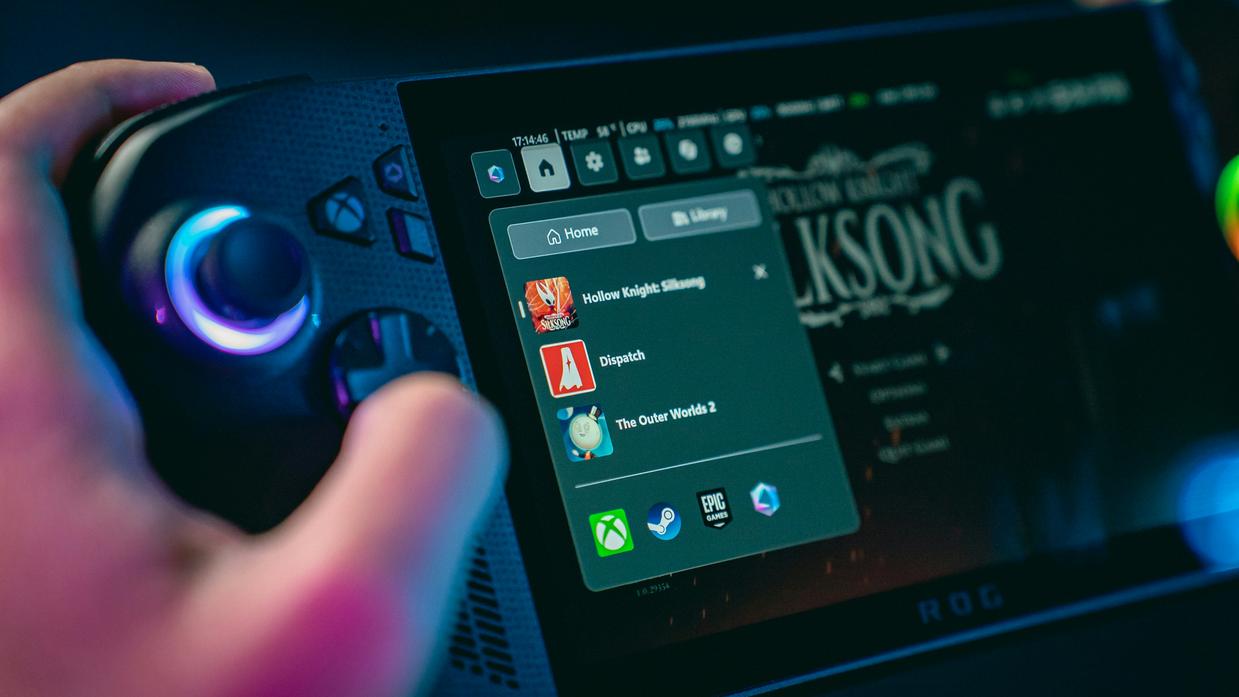
You’ve probably noticed something weird happening on Steam lately.
The top sellers list used to be dominated by AAA shooters and open-world games. Now? It’s flooded with games that look like they were made in someone’s garage.
And they’re crushing it.
I’m talking about reverse bullet hells. The genre that Vampire Survivors accidentally created and everyone’s now copying.
Some people say these games are just mindless time wasters. They argue you’re not really playing, just watching numbers go up while your character auto-fires at waves of enemies. Fair point.
But here’s what that argument misses.
Players are tired. We don’t always want to memorize 47 different button combos or spend three hours in a tutorial. Sometimes we just want to feel powerful without the commitment.
Vampire Survivors nailed this. You move. Your weapons fire automatically. Every level up gives you a dopamine hit. Runs last 30 minutes max.
The game cost $3 and made millions because it understood something AAA studios forgot. Not every game needs to be a 100-hour epic.
Compare that to traditional roguelikes where you’re managing inventory, aiming precisely, and dying because you forgot to check your potion count. Vampire Survivors vs Hades? Completely different experiences. One asks for your full attention. The other lets you half-watch Netflix while playing (not that I do that).
According to gaming news bfncgaming, this shift happened because players wanted something between mobile games and hardcore PC titles. We found it.
Now everyone’s jumping in. Brotato puts you in an arena as a potato with guns. 20 Minutes Till Dawn adds actual aiming back into the mix. Both sitting on “Overwhelmingly Positive” reviews.
Want to know what video games are valuable bfncgaming? Watch your wishlist. These indie gems often explode overnight.
Keep an eye on Halls of Torment. It’s mixing the auto-fire chaos with dark fantasy aesthetics that actually look good.
The genre isn’t going anywhere. It’s too easy to pick up and too hard to put down.
Live Service Showdown: A Tale of Two Updates
Helldivers 2 just proved something most developers still don’t get.
You can mess up. You can make mistakes. But if you listen to your players, they’ll stick with you.
Let me show you what I mean.
Back in March, Arrowhead Game Studios dropped their Escalation of Freedom update. New enemies, new mission types, and a flamethrower that actually felt good to use. The community went wild. Player counts spiked. Reddit was full of people sharing their best moments.
Then came the balancing patches.
“They nerfed everything fun,” one player wrote on the Helldivers subreddit. “Why do they keep making weapons weaker instead of making us feel powerful?”
The backlash was immediate. Steam reviews tanked. Players threatened to leave.
Here’s where it gets interesting.
Arrowhead CEO Johan Pilestedt responded directly. Not through some corporate PR statement. He jumped into Discord and said, “We hear you. We’re going to fix this.”
And they did. Within two weeks, they rolled back most of the controversial changes.
Now compare that to what happened with Suicide Squad: Kill the Justice League.
Rocksteady launched their first season in March. Players waited months for new content. What did they get? A single new character and a handful of repetitive missions. The same grind, just with a different skin.
“$10 for this?” one reviewer posted. “I’ve seen mobile games with more respect for my time.”
The difference wasn’t the quality of the initial content (though that mattered). It was how each studio handled the aftermath.
Arrowhead talked to their players. Rocksteady went silent.
One game is thriving according to gaming news bfnc gaming. The other is struggling to keep a few thousand concurrent players.
The lesson? Your players will forgive mistakes. They won’t forgive being ignored.
Your Takeaway for the Coming Quarter
You’ve seen how major studio acquisitions, new hardware, and indie trends are reshaping the industry.
The biggest challenge you face? Staying informed and making smart choices when everything moves this fast.
Here’s the thing: When you understand the why behind the headlines, you can anticipate what’s coming next. You’ll manage your gaming budget better and spend your time on experiences that actually deliver.
Keep these trends in mind as you plan your next purchase. Think about which game deserves your attention right now.
The market keeps shifting, but you don’t have to chase every new release. Focus on what matters to you and let the data guide your decisions.
gaming news bfncgaming tracks these patterns so you can make informed choices. We cut through the hype and show you what’s worth your time and money.
Your next move is simple: Use what you’ve learned here to be more strategic about where you spend and what you play.
 Zane Tzortinos founded BFNC Gaming as a premier destination for enthusiasts seeking a deeper understanding of the digital landscape. With a focus on the intersection of technical skill and industry innovation, Zane has curated a platform that explores everything from the intricate frame data of fighting game mechanics to the complex world of game development techniques. Under his leadership, the site serves as an essential resource for players looking to master competitive multiplayer strategies while staying ahead of the latest global gaming trends.